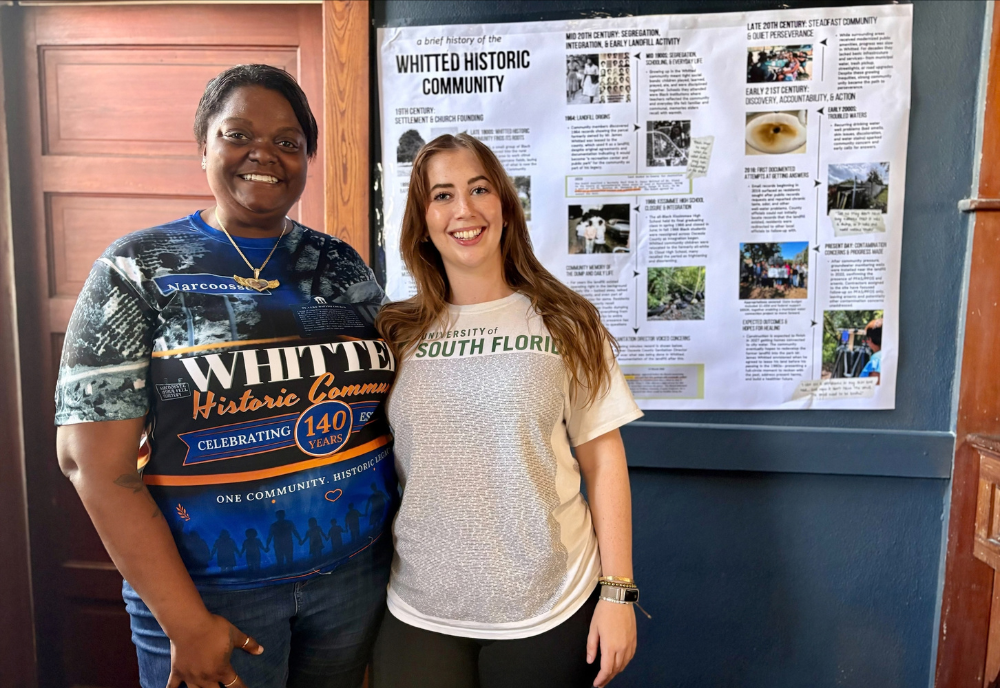
Imagine growing up in what should be a safe neighborhood only to be exposed to toxins from an abandoned landfill in your backyard.
This is what residents of the Whitted Historic Community in Osceola County say has happened to them and Emily Walsh wants to explore their stories through oral histories and archival research. A recent graduate from the USF College of Public Health (COPH), she earned a bachelor of science in public health and a double minor in women and gender students and global studies in education. Now as a concurrent MPH/MA student, she’s working on finishing a master of arts thesis in the Department of Anthropology along with her COPH MPH.
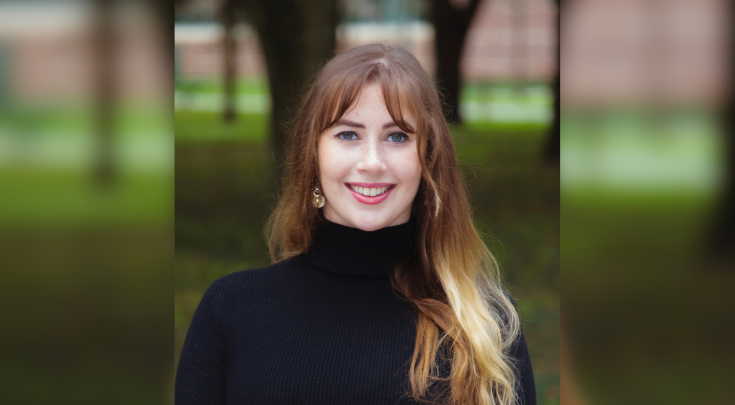
Emily Walsh (Photo courtesy of Walsh)
Walsh wants to know how a multi-generational Florida hamlet has coped with the long-term effects of groundwater pollution and why it was ignored for so many years.
“Countless historically Black communities still carry environmental burdens that stretch back decades with little support and representation and that realization stuck with me,’’ she said. “Black communities in the Southeast often face environmental challenges that are deeply layered and long‑standing. Even in 2026, communities all around us are fighting for access to safe drinking water.’’
Whitted residents have been exposed to contamination possibly linked to an unlined, unmonitored landfill originating in 1965. The Florida Department of Environmental Protection and the Florida Department of Health did tests in 2022 which identified high concentrations of polyfluoroalkyl substances (PFAS), known as “forever chemicals,’’ and arsenic in the soil and water. Many residents describe a lifetime of buying bottled water to avoid exposure, while others drank the well water before learning it was contaminated. Both pathways carry their own consequences: chronic uncertainty, financial strain and in some cases potential health risks linked to long‑term chemical exposure.
Jessica Paul, a fourth-generation Whitted resident, said she’s proud of her deep roots with the land but everyday deals with a reality that’s literally just below the surface.
“For families who have lived here for generations, it's painful to know that something as fundamental as safe drinking water remains unresolved,’’ she said. “The financial burden of purchasing bottled water, the uncertainty surrounding our private wells and the concern about what this means for future generations are very real. That’s why documenting our history matters.’’
Whitted is unincorporated, which means they were never connected to municipal water systems. Households rely on private wells that sit in the same space as the former landfill. That reality adds a whole other layer to their story.
Emily Walsh
Walsh views this a challenge of ensuring healthy environments for all communities, a perspective developed through her mentorships with Dr. Cheryl Vamos, professor, Department of Community Health Sciences in COPH; and Dr. Christian Wells, professor and director of the Center for Brownfields Research & Redevelopment in USF’s Department of Anthropology. Both say she’s making a difference with her research.
"I’ve been immensely impressed with Emily since she was an undergraduate student in the bachelor of science in public health program,’’ Vamos said. “She displayed grit, dedication, and enthusiasm to learn and contribute to maternal and child health research and practice. She approaches her work with forward-thinking intentionality, curiosity and a strong sense of responsibility to the communities involved.’’
Walsh is an effective investigator because she knows that those who are closer to the problem are closer to the solution, said Wells: “That’s why her work is so community engaged. And her decision to pursue a concurrent degree in applied anthropology and public health makes perfect sense for this kind of work. It’s giving her the skills and experiences she needs to collaborate effectively with community residents to improve their health and well-being.’’
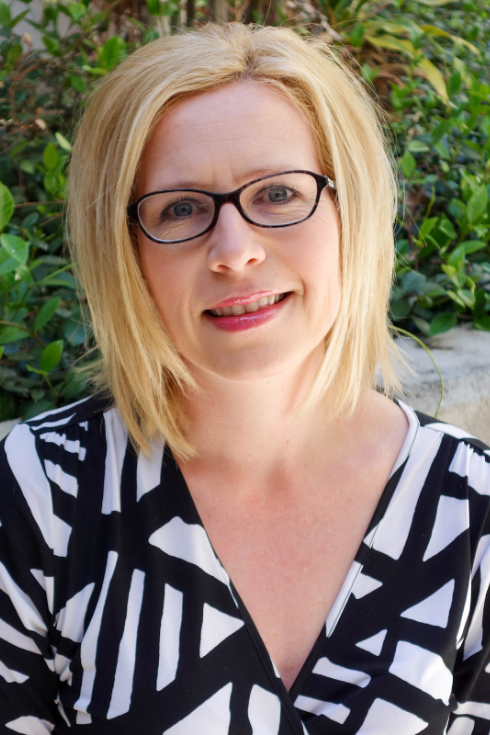
Cheryl Vamos, PhD, MPH (Photo by Caitlin Keough)
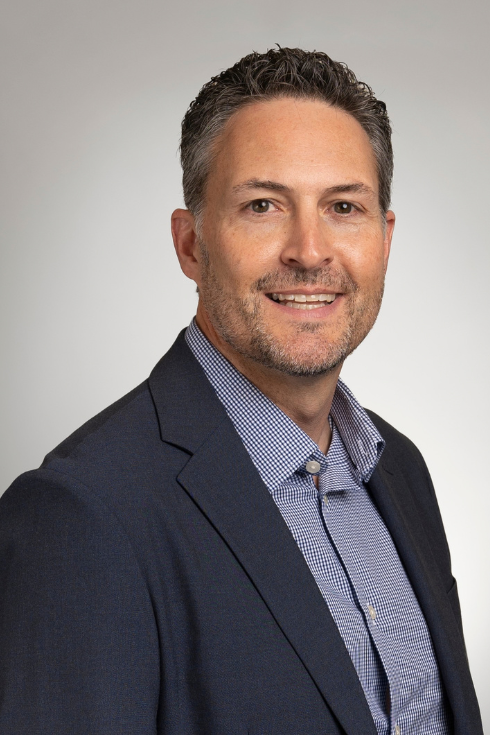
Christian Wells, PhD, MA (Photo courtesy of Wells)
Walsh said her studies opened her eyes to how environmental health, land use, and community representation all intersect. “These experiences began to teach me how little I still knew of this field and ultimately sparked my confidence to continue my studies and apply to graduate school.’’
She’s made many visits to the Osceola community, talking to residents and environmental experts. In reading through documents, she was taken aback by how the property evolved into a garbage dump in the first place.
James Whitted, a longtime community member who was aging and beginning to decline cognitively, approached Osceola County officials about leasing his parcel of land in the heart of the Whitted community so it could be turned into a recreation center and public park for local children. Osceola County meeting minutes from 1964 show that the board of commissioners agreed, but the signed lease just months later instead said the property would be used for “sanitary landfill and garbage disposal purposes.’’
“The contrast between what he intended and what was written into the lease is stark,’’ Walsh said. “When you look at the documents, the political context, and the lack of meaningful community involvement, it becomes clear that this case fits into part of a larger pattern seen across the United States: Historically Black, rural, unincorporated communities often had little influence over land use decisions, especially in the pre‑EPA era.’’
Her findings will be completed later this year and she plans to submit a paper to a peer-reviewed environmental journal. She hopes her research will help the Whitted Historic Community and others like it in their advocacy and redevelopment efforts.
A central challenge in her research is that there’s no conclusive source of the contamination. Walsh said she’s careful not to point fingers at any one culprit without evidence because correlation does not equal causation.
“I’m focused on connecting the legacy of the past with the realities of the present to create a clearer picture of what has happened here,’’ she said. “There’s no current path for residents to definitively determine whether their water contamination comes from the landfill or from other unknown sources. That uncertainty is frustrating for everyone involved, especially the community.’’
Walsh said the COPH and Department of Anthropology have given her the tools to explore these kinds of complex problems and apply her knowledge to improving lives. She plans to continue monitoring the Whitted community and work with local representatives for possible solutions.
“This is very much a public health issue,’’ she said. “My years of COPH training shaped how I understand environmental exposure, community health concerns and the structural factors that influence risk. Equity was not just an abstract theme in my classes it was the lens we were taught to use at the forefront of our future work.’’