
Personal Protective Equipment varies by application, but it is considered the last line of defense across industries. OSHA and other regulatory agencies do not like to rely on PPE before all other possible protections are used. However, if there is no other way to protect employees from hazards, PPE must be used.
This is why PPE is called the last line of defense: once that defense fails, nothing remains between the hazard and the employee.
Personal Protective Equipment (PPE) general requirements: Employers must understand where PPE is required and, when required, provide the proper PPE to all employees exposed to hazards, as stated in:
Specific Personal Protective Equipment requirements, this is a partial list; it is much larger, and it depends on the workplace and hazards associated with it:
- Respiratory Protection under 29 CFR 1910.134
- Fall arrest systems under 29 CFR 1910.28 and 29 CFR 1926.501
- Foot protection under 29 CFR 1910.136
- Hand protection under 29 CFR 1910.138
- Head protection under 29 CFR 1926.100
PPE is not the preferred protection against hazards, but when it becomes the only remaining protection, it is critical that the equipment does not fail or get used improperly. If PPE fails, the hazard can directly affect the employee.
Personal Protective Equipment Maintenance
Now that we understand how critical reliable PPE is in protecting employees from hazards, we can discuss how to keep that equipment dependable and effective.
Maintenance of the most vulnerable yet necessary piece of protective equipment, which serves as the barrier between the employee and danger, is critical and should always be in place.
- Daily or pre-use inspections must be performed
- Proper storage is necessary to prevent damage and contamination
- Broken or faulty pieces should be repaired when possible
- PPE should be replaced if it cannot be repaired
- Thorough cleaning and sanitation must be performed to avoid cross-contamination
- Some types of PPE may require periodic testing
It is recommended as a best practice, and in some instances required, to maintain PPE inventory and maintenance records for each piece of personal protective equipment.
Personal Protective Equipment Training
We may have good equipment that is properly inspected, assigned, stored in designated areas, maintained, and documented, but employees must also understand how to properly use the PPE so it performs as expected.
All employees must be trained on new PPE if they have never been trained on it before or if they have demonstrated improper use.
- Understanding of the limitations and false sense of safety with PPE used. Employees should be trained to understand PPE limitations and recognize the actual level of protection provided. For example, respirator filters can become overloaded and stop filtering the air properly. Employees may not notice the difference and may incorrectly believe they are still protected. Similar situations can happen with hard hats and other PPE, which is why inventory and maintenance logs are highly recommended.
- Knowledge of where to use PPE. Employees must be trained on where PPE should and should not be used. PPE designed for one atmospheric condition may fail if used in a completely different environment. Equipment can fail simply because it was used for the wrong chemical or particle exposure. Gloves, for example, should not be used around rotating equipment because they can become caught and lead to severe injuries or amputations.
- Skills on how to use PPE if employees are assigned to it. Practice is an important aspect of PPE training. A properly worn fall protection harness can save a life, but if it is not worn correctly, it can create a false sense of safety and contribute to a fatal event.
- Proper care of the PPE that was assigned to you. Employees must be trained to properly care for the equipment assigned to them. Training should include inspection, cleaning, storage, maintenance, and understanding when PPE should be removed from service.
Examples of the PPE maintained and neglected
Examples of properly maintained and neglected PPE can help employees recognize equipment that is safe to use and equipment that should be removed from service.

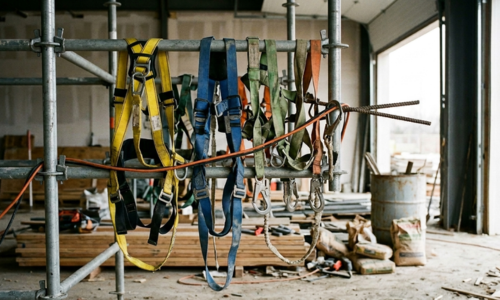

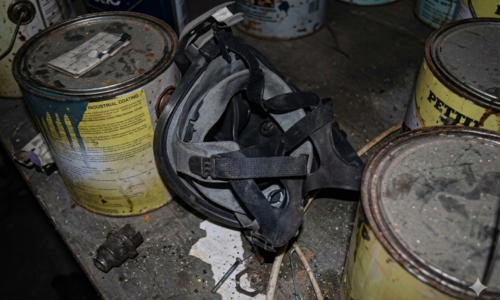
Examples of PPE have been used properly and incorrectly
Examples of PPE used correctly and incorrectly can reinforce training and help employees better understand safe work practices.

