Speakers
Distinguished Speaker Series
Speaker series
The Bellini College of Artificial Intelligence, Cybersecurity and Computing at the University of South Florida brings in globally recognized researchers that engage in cutting-edge and deeply impactful scientific R&D across all areas of computing.
The fields of artificial intelligence, cybersecurity and computing are witnessing explosive growth in so many areas. The college is commitmented to ensure that our students, faculty, collaborators and stakeholders are exposed to critical scientific advancements in the broader landscapes of artificial intelligence, cybersecurtiy and computing.
Upcoming Distinguished Speaker Series
More coming soon!
Previous Distinguished Speakers
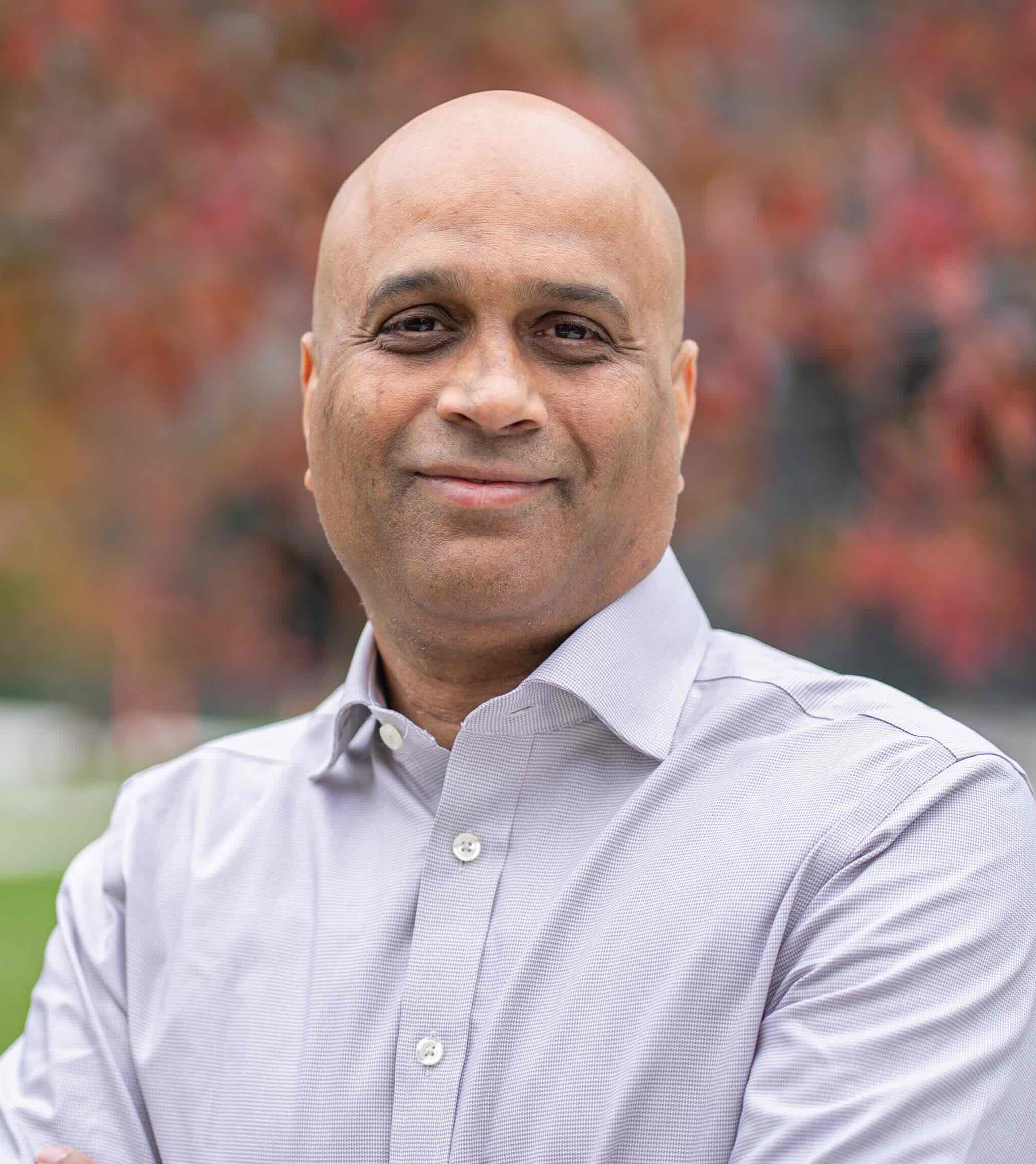
Data Centers, AI Workloads, and Efficiency: A Systems Perspective
Prashant Shenoy, PhD
University of Massachusetts Amherst
Massachusetts, USA
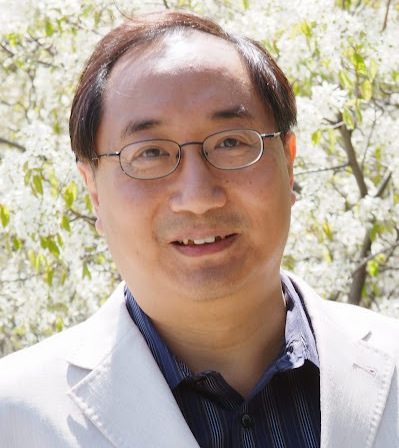
AI, the Scaling Law, and the Memory-Wall Problem: An Entangled Advancement of Technology and Application
Xian-He Sun
Professor at Illinois Institute of Technology

Learning the Action Grammar
Yiannis Aloimonos
Professor of Computational Vision and Intelligence at the Department of Computer Science,
University of Maryland
Read Yiannis Aloimonos' Abstract and Bio

Planning Agents for Collaborative Reasoning and Multimodal Generation
Mohit Bansal
John R. & Louise S. Parker Distinguished Professor of Computer Science, UNC Chapel
Hill
Read Mohit Bansal's Abstract and Bio

The Eye In AI: Human Visual System (HVS) Approaches for Robust Artificial Intelligence
Karen Panetta
Distinguished Professor, Tufts University School of Engineering
Read Karen Panetta's Abstract and Bio

A new way of looking at the 3D World for Better Representation and Understanding
Chandra Kambhamettu
Professor of Computer Science at the University of Delaware
Read Chandra Kambhamettu's Abstract and Bio

Unlocking the Future: 30 Years of Innovation at the Crossroads of Visualization, Immersion, and Digital Twins
Carolina Cruz-Neira
Agere Chair Professor of Computer Science, University of Central Florida
Read Carolina Cruz-Neira's Abstract and Bio

Traversing the AI + X Continuum for Impact
Nitesh Chawla
Frank M. Freimann Professor of Computer Science and Engineering, University of Notre
Dame
Read Nitesh Chawla abstract and bio