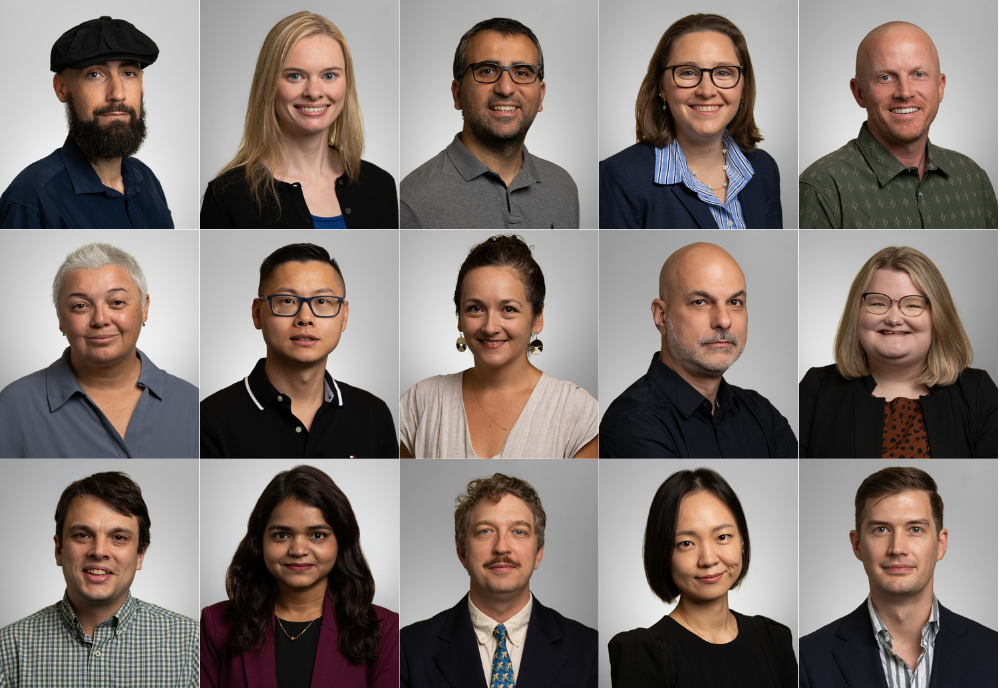
By Georgia Jackson, College of Arts and Sciences
In classrooms and labs across the USF College of Arts and Sciences, new faculty hires are applying their creativity and expertise — and acclimating to the Tampa Bay area’s humid, subtropical climate.
The 30 new hires study chemistry, communication, economics, history, integrative biology, journalism and digital communication, philosophy, physics, psychology, geosciences, information science, global studies, world languages and advertising and mass communications — and they are here to reinforce the college’s strategic priorities with research that supports global and national security, integrates behavioral dynamics with machine learning and advances understandings of health and disease.
"We are really delighted to welcome 30 new faculty members who collectively embody the breadth and the intellectual scope of the college," said Dean Elizabeth Spiller. "Collaboration between people who have different training backgrounds and perspectives on problems is most likely to bring us the furthest forward."
Since its founding in 1991, the college has empowered its scholars to partner with local and global communities and solve challenges through integrated inquiry, creative expression and ethical engagement. The new faculty are positioned to contribute to this legacy.
Meet the new faculty
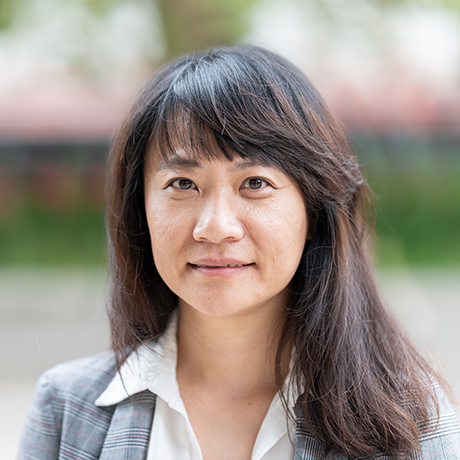
Ying-Chia Louise Hsu
An assistant professor in the Zimmerman School of Advertising and Mass Communications, Ying-Chia Louise Hsu studies how people perceive and respond to environmental and health risks — from wildfire smoke to chemicals known as PFAS — and how that understanding can better tailor public warning messages.
"Tailored risk and health information promotes active information-seeking behavior and informed decision-making," said Hsu, who was drawn to USF due to its strong research focus and vibrant academic community. "As society faces more abnormal risk events, my work looks into the dynamic formation of risk perceptions and understands how different populations react to risk warning messages to assist them in making informed decisions to reduce the negative impacts."
Read more
Recent work by Hsu examined dynamic risk perceptions of wildfire smoke hazards, aiming to help public and at-risk populations make informed decisions to reduce threats and build resilience.
Her broader research portfolio spans Alzheimer's disease communication in Native communities, health information seeking and decision-making and use of AI services on social media, drawing on quantitative methods, social network analysis and psychophysiological measures.
"I am excited about working with Z School students to see how they apply their skill sets to tackle urgent challenges and issues through strategic communication campaigns," she said. "I also cannot wait to work with the Tampa community to address local risk events and implement actionable strategies through research collaborations."
Zois Syrgiannis
An assistant professor in the Department of Chemistry, Zois Syrgiannis develops advanced nanomaterials and nanomedicine technologies in his lab to improve how therapeutics are delivered and targeted in the body.
"I've always loved working in an academic environment and interacting with the next generation of scientists,” Syrgiannis said. “USF has been very welcoming and a place where I can work on translational research that makes the world better.”
Read more
Drawn to USF due to its commitment to interdisciplinary research, innovation and collaboration, Syrgiannis will also explore organic–inorganic hybrid systems such as peptide–polyoxometalate assemblies, fullerene-based materials and metal–organic frameworks to develop next-generation materials for medical and energy applications.
"I am thrilled to join the University of South Florida and become part of such a dynamic and collaborative research environment," Syrgiannis said. "I look forward to establishing my research group and working with outstanding colleagues across the university.
“My goal is to develop innovative materials that bridge fundamental chemistry with real-world biomedical and technological applications while creating new opportunities for interdisciplinary collaboration and student success."
Anna Vincent
When Anna Vincent joined the School of Geosciences as an assistant professor, she brought a new research focus to USF with her.
Vincent studies plastic pollution and its effects on nutrient cycling and stream metabolism. Her work combines high-frequency sensor networks, mesocosm experiments and novel Bayesian modeling techniques.
Read more
As an aquatic ecosystem ecologist and biogeochemist, she sees it as her duty to investigate ongoing threats to freshwater resources.
“My myriad experiences, both in the lab and the field, galvanized my commitment to study the effects of human-ecosystem interactions,” Vincent said. “I hope to bring a fresh perspective to sustainable ecosystem management.”

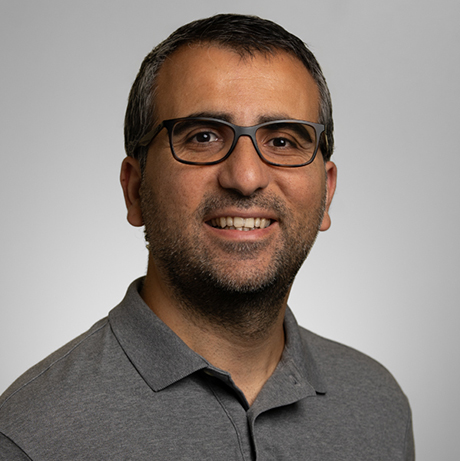
Sefa Secen
Sefa Secen is an assistant professor of international relations in the School of Interdisciplinary Global Studies. His research spans international relations theory, international security, migration and religion and politics, with a regional focus on the Middle East and Western Europe.
"The School of Interdisciplinary Global Studies stood out to me as it brings together political science, area studies and global issues in a way that fits how I actually think about my research," said Secen, who is looking forward to working closely with students in his graduate seminar on qualitative analysis on their research projects. "USF's momentum as a growing research university, and its genuine commitment to global and interdisciplinary scholarship, made it feel like the right place to build the next stage of my work."
Read more
Secen is the co-author of two books: "The Muslim World in International Relations: Discourse, Power, and Pluralism in Global Politics" and "Demographic Anxiety in Turkey: Migration, Identity, and Politics."
"Millions of people around the world are displaced from their homes by war and conflict, and how host countries treat them often comes down to whether they're seen as people in need of protection or as threats to be managed," Secen said. "My research looks at why that perception forms the way it does and how it ends up driving real policy: who gets welcomed, who gets turned away and why.
"Understanding that can help us have clearer, more humane conversations about migration at a time when it's one of the defining issues of our era."
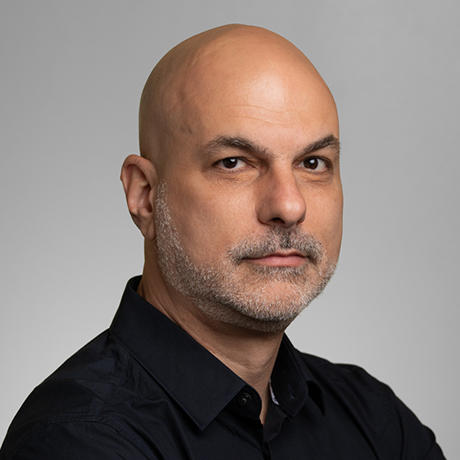
Jack Silcox
An assistant professor in the Department of Psychology, Jack Silcox studies how the brain processes and remembers speech, especially in difficult listening conditions. His work draws on EEG, pupillometry and transcranial magnetic stimulation to trace how the brain compensates in real time as listening gets harder.
“I conduct my research because I believe that it will eventually help individuals who deal with high levels of listening effort every day, Silcox said. “Whether those people have a hearing impairment or they work in an acoustically loud environment. I hope that my work can identify ways to help those individuals.”
Read more
Silcox comes to USF from the University of Utah, where he earned his doctorate and completed a postdoctoral fellowship in the Language and Memory Aging Lab. His work on the neural bases of speech comprehension in age-related hearing loss received earned him an award in 2023.
"It was the people at USF that drew me here,” said Silcox, who is looking forward to collaborating with colleagues across the college. “There are excellent researchers here doing work that I admire. But more than that, when I came to interview, I was impressed with how wonderful, kind and thoughtful the people were. I thought, ‘This is the place I want to work until I retire!’”
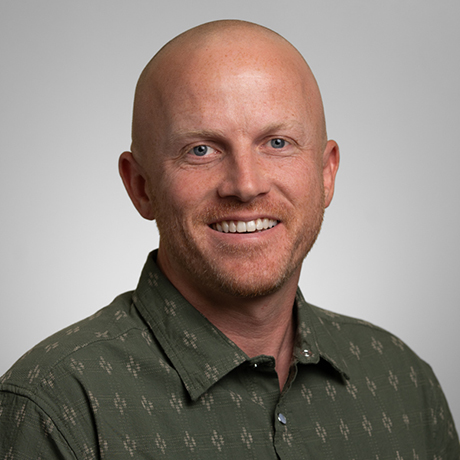
Kai Wu
An assistant professor in the Department of Physics, Kai Wu integrates magnetic nanomaterials, spintronic devices and bioelectronic systems to develop next-generation technologies for biomedical diagnostics, imaging and neural engineering. His research spans wearable biosensors, magnetic particle imaging, magnetic resonance imaging, and intelligent sensing systems that combine hardware with artificial intelligence for healthcare applications.
“Many medical technologies rely on ways of detecting what is happening inside the body, but making those measurements smaller, faster and more accessible remains a major challenge,” said Wu, whose research explores how tiny magnetic materials and electronic devices can be used to detect biological signals, image tissues and interact with cells.
Read more
“The long-term goal is to develop technologies that could enable faster diagnostic tests, more portable medical devices and new ways to understand and treat disease. In simple terms, we are trying to turn advances in physics and nanotechnology into tools that can ultimately make biomedical measurements and treatments more precise and accessible.”
Before joining USF, Wu was an assistant professor in the Department of Electrical and Computer Engineering at Texas Tech University. He received his doctorate in electrical engineering from the University of Minnesota, where he helped establish the Minnesota NeuroSpin Initiative, connecting neurologists, neuroscientists and engineers to develop nanomagnetic materials and spintronic devices for studying the nervous system.
“USF provides researchers like me with a great opportunity to work in an environment where physics, engineering and medicine come together,” Wu said. “My research is inherently interdisciplinary, and USF has a strong combination of expertise in fundamental physics, biomedical engineering, neuroscience and clinical research.
“I saw an opportunity to build collaborations across these areas and develop magnetic and spintronic technologies that can move from fundamental materials and devices toward real biomedical applications.”
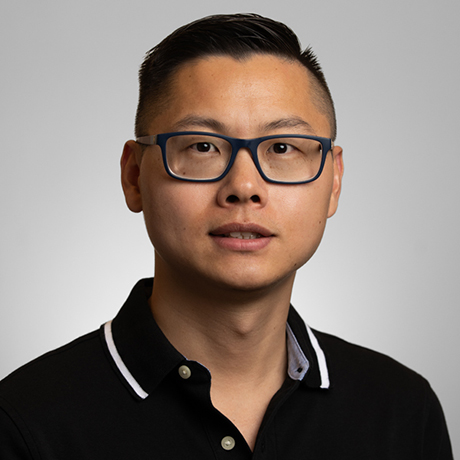
Shezin Hussain
An assistant professor in the Department of Journalism & Digital Communication, Shezin Hussain studies data privacy, cybersecurity and technology policy, with particular attention to how consumers adopt AI-enabled smart home devices.
“Part of my research has looked into if AI features were to be incorporated how users would react to it,” Hussain said. “With the AI race, regulations and governance are being drafted but not implemented. It will be interesting and concerning at the same time to see how AI is shaping every industry and sector.
Read more
“My research has tapped into consumers' perspectives, and I would like to continue researching consumers, legislators and manufacturers to gauge deeper societal dilemmas along with technological issues.”
Hussain earned her doctorate in information science from Florida State University's School of Information. She later practiced law in Bangladesh and holds a master of laws in information privacy and cybersecurity from Indiana University. Her legal background informs her research into the gaps between data privacy laws, data retention and security concerns, smart home device adoption and the incorporation of AI features in smart home devices.
"I am excited to learn, contribute to the research domain and engage meaningfully while teaching students at USF,” said Hussain, who is looking forward to collaborating with scholars in Bellini College of Artificial Intelligence, Cybersecurity, and Computing. “I hope my transition to St. Petersburg helps me build strong connections with peers and contribute extensively to the research and teaching community."
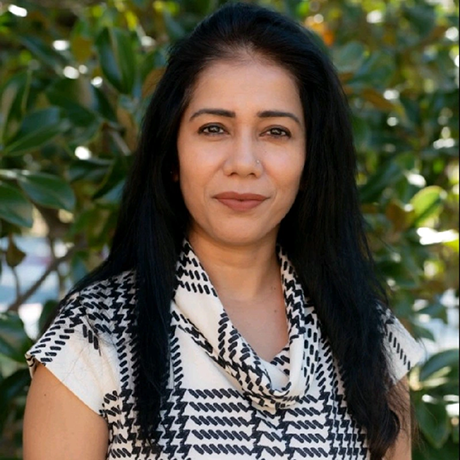
Together, these new scholars bring fresh expertise in areas ranging from nanomedicine and environmental science to neuroscience and data privacy, strengthening the college's commitment to research that serves communities near and far. As they settle into their labs and classrooms, they are poised to help CAS advance its mission of integrated inquiry and ethical engagement.