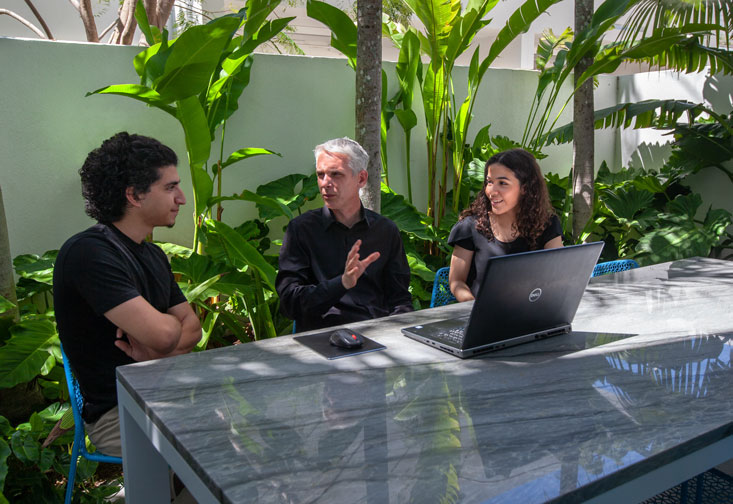
Architect and University of South Florida faculty member Michael Halflants has had a notable year. His firm, Halflants + Pichette Architects, was named to the Forbes inaugural America’s Best-in-State Residential Architects list and received several AIA awards for projects across Florida’s Gulf Coast. These achievements highlight the guiding principles he brings into the classroom at the USF College of Design, Art & Performance School of Architecture & Community Design.
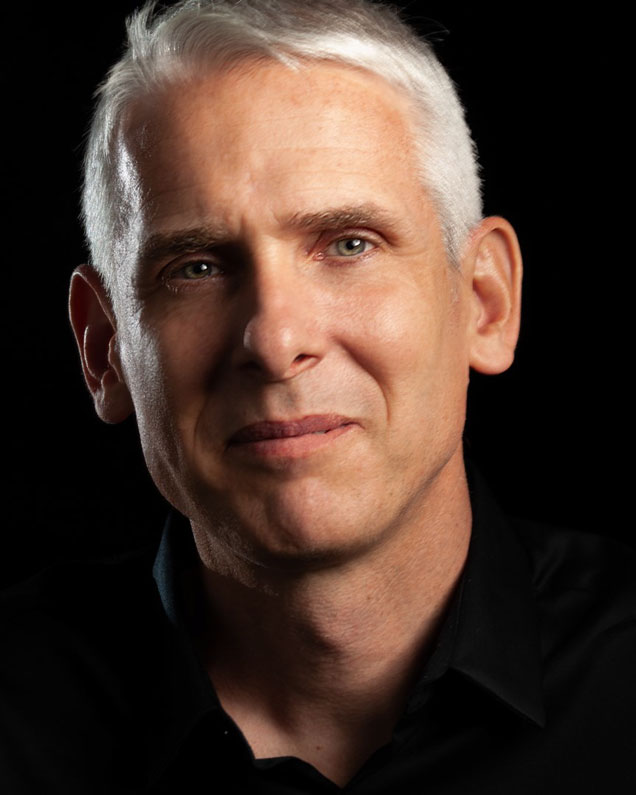
“The recognition our projects have received reinforces the lessons I share with students that architecture is most meaningful when it is deeply rooted in place,” Halflants said. “Awards are gratifying, but they are ultimately a reflection of process, collaboration, and thoughtful problem-solving. I try to bring that same energy into the studio so students see how the rigor of their ideas can translate into built form.”
Halflants’ emphasis on region defines both his teaching and his architecture. “Our work grows directly out of the Gulf Coast’s light, climate, and landscape,” he said. “We design buildings that breathe. Cross-ventilation, shade, and filtered light shape the experience of space. Materials are tactile and resilient, and courtyards and terraces blur the line between indoors and outdoors. The goal is to create architecture that feels inevitable in this environment and distinctly of this coast.”

That philosophy is visible to the alumni who now work beside him. Hazim Habib, who earned a Master of Architecture at the College of Design, Art & Performance and worked on the award-winning 7th and Central residential project, said that the regional approach is present in every discussion at the firm. “Whether we are talking about climate, materiality, or shading techniques, it shapes how we work,” he said. “There’s a lot of emphasis on how interior and exterior spaces connect and how the building responds to Florida’s conditions.”
Halflants wants students to understand that commitment early on. “Every studio I teach begins with a discussion about place,” he said. “We study the climate, culture, and history of a site before making any design moves. Good architecture does not impose itself on a location. It emerges from understanding it.”

Awards like the Forbes recognition affirm the value of that approach. “It is an honor to be recognized among so many talented peers across a large state,” Halflants said. “It validates the approach we have taken, building our own projects to ensure the ideas we draw are carried through with care and precision. It also underscores that good design can thrive outside major metropolitan centers and that Florida’s Gulf Coast is an emerging place of serious architectural conversation.”

Halflants also emphasizes the importance of thinking through the full process of creating a building. “The real reward comes from creating buildings that make people’s lives better and enhance their communities,” he said. “I encourage students and young architects to stay curious, take risks, and remain engaged in the entire process from concept to construction. Excellence grows from that commitment.”
Innovation is another principle he brings directly into the classroom. “Innovation often comes from constraints such as tight sites, budgets, or environmental challenges,” he said. “In studio, I ask students to embrace those constraints as opportunities for invention. Structure, systems, and sustainability can become generators of form rather than afterthoughts.”

Habib said working with Halflants after graduation helped him realize his passion for the field. “His classes sparked a sense of joy and purpose in me,” he said. “He introduced me to the fundamentals of contemporary design and taught me how to create spaces that are meaningful and bold. Working with him now has expanded that. I have learned how ideas come together down to the bolts, and how collaborating with engineers helps turn the vision into built work.”
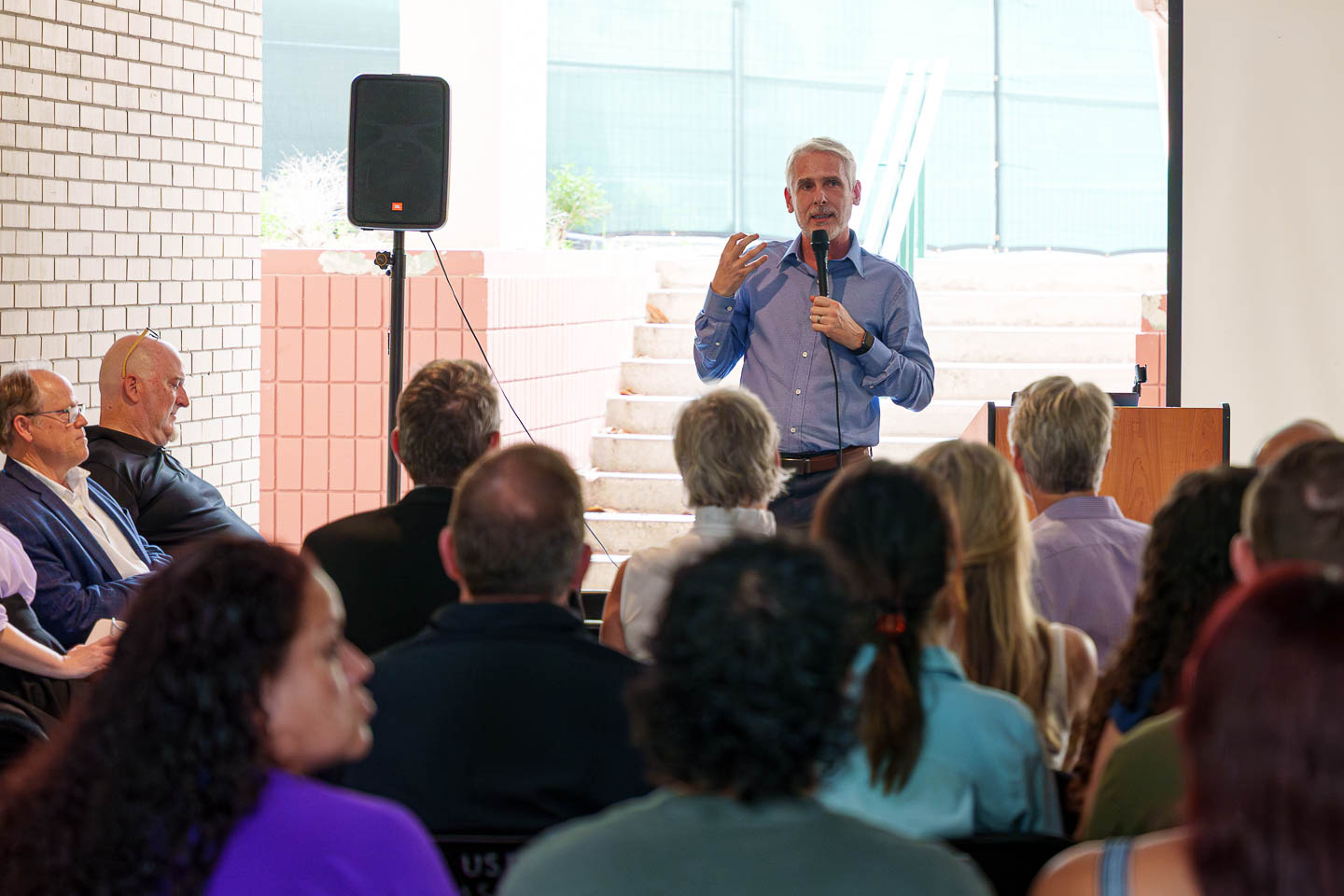
As Halflants looks ahead, he sees his academic work and practice continuing to influence one another. “The office keeps me grounded in the realities of construction,” he said. “Teaching keeps me engaged with new ideas and youthful optimism. Sharing built work with students gives them confidence that their ideas can become real. In turn, the conversations I have in the classroom challenge and inspire the work we do in the firm.”
Learn more about the School of Architecture & Community Design.