Fall 2026




The Sunday dip: Why restaurant servers earn smaller tips on weekends
For restaurant servers, a busy weekend shift might seem like a good opportunity to
earn more in tips. Research from the University of South Florida suggests the opposite
may be true when it comes to
the percentage diners leave behind.

New scale helps hotels measure robotic service delivery for guests
As robots take on more jobs in hotels — from checking in guests to handling luggage and delivering items to rooms — their success depends on more than whether they complete the task. Guests also notice how the interaction feels.

When consumers fear being judged, AI can feel like a safer choice
For consumers from historically marginalized groups, an everyday service encounter can carry an extra concern: Will the person helping me judge me because of who I am?
- Regulated AI could ease review workload at academic journals
- In times of crisis: Does being a political outsider help or hurt?
- Turning privacy limits into marketing gains: A smarter way to convert anonymous website visitors

Emerging competitive threats can provide an early warning for company performance
A growing competitive threat may show up in the marketplace before it fully appears on a company’s financial statements.

Environmental disclosure mandates can spark corporate green innovation
When companies are required to reveal their greenhouse gas emissions, the impact may extend beyond greater transparency. New research suggests those requirements can also push businesses to develop more environmentally focused technologies — although the investment may come with financial trade-offs.

Lower wages and robotics can give developing countries an investment edge
As automation reshapes global manufacturing, developing countries may have more to gain than many expect. Research finds that countries do not necessarily have to choose between inexpensive labor and advanced robotics to compete for multinational investment.

Choosing cyber insurance? Look beyond price and coverage
For companies facing the growing financial risks of cyberattacks, buying insurance is only part of the equation. Choosing the right insurer — and understanding how that insurer operates before a crisis — can make a meaningful difference when an attack occurs.
Study maps new paths to creativity for humans and AI
Creativity can feel like a flash of inspiration. Research from the University of South Florida suggests it may also be something we can deliberately steer.

As AI moves into high-stakes decisions, responsibility must be built in
Artificial intelligence is increasingly shaping decisions that affect people’s health, education, access to information and interactions with public institutions. As those systems become more powerful, researchers say preventing harm cannot be an afterthought.
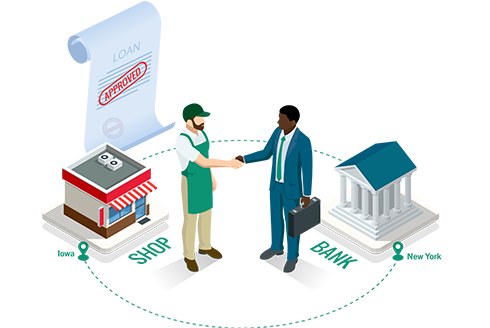
AI helps banks lend to distant small businesses without increasing risk
For small businesses, geography can shape access to credit. Banks have traditionally relied heavily on local knowledge and relationships to evaluate borrowers, making it harder to assess businesses located farther away. New research suggests artificial intelligence could help banks overcome that information gap.