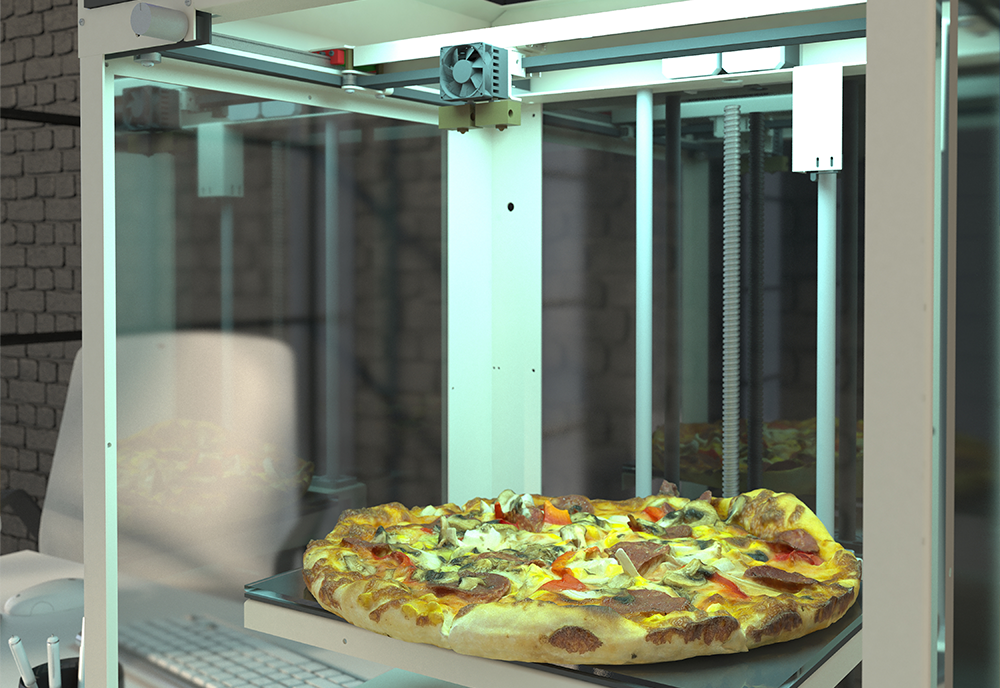

Would you eat a meal made by a 3-D printer? For consumers weighing that unfamiliar choice, research suggests two concerns may matter more than novelty itself: whether the food seems healthy and safe.
The study, published in The Service Industries Journal, examined what shapes consumers’ attitudes toward 3-D-printed food and their willingness to try it. Seden Doğan, assistant professor of instruction of hospitality at the University of South Florida, co-authored the study.

Seden Doğan
Researchers surveyed 355 consumers about several factors that could influence acceptance, including reluctance or enthusiasm toward unfamiliar foods, perceptions of healthiness and food safety, and the desire for variety.
Perceived healthiness and safety emerged as the strongest predictors of consumers’ attitudes and intentions. Those attitudes, in turn, were the primary factor determining whether someone was willing to try 3-D-printed food.
The study also produced some unexpected results. Reluctance toward unfamiliar foods had a modest positive effect on attitudes, contrary to the researchers’ hypothesis. And consumers’ desire for food variety actually weakened the connection between favorable attitudes and willingness to try the technology.
Authors: Seden Doğan, University of South Florida; Ilayda Zeynep Niyet, Munster Technological University; Bendegul Okumus, University of South Carolina and SHMS Swiss Hotel Management School; Ece Omuris, Akdeniz University.