Brain Resilience Lab | Department of Communication Sciences & Disorders | University of South Florida
Our Goal - Nearly 42% of Americans ages 55 and older will develop dementia in their lifetimes (Hu, Weiss, et al., 2025). The USF Brain Resilience Lab (BRain Lab) is committed to addressing this public health emergency through a program of clinical research and translation centered on primary prevention, early detection, and non-pharmacological intervention. Our overarching goal is precision prevention and intervention that leads to health-span optimization.
The Issues - Degenerative brain diseases such as Alzheimer's and chronic traumatic encephalopathy (CTE) are brewing under the surface decades prior to the onset of symptoms. Dementia is among the most feared condition that adults face and, when experienced, has profound effects on family, friends, and the community.
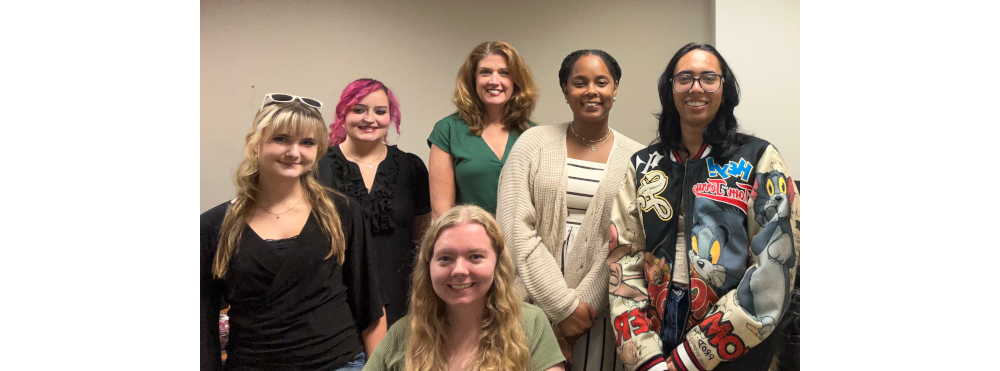
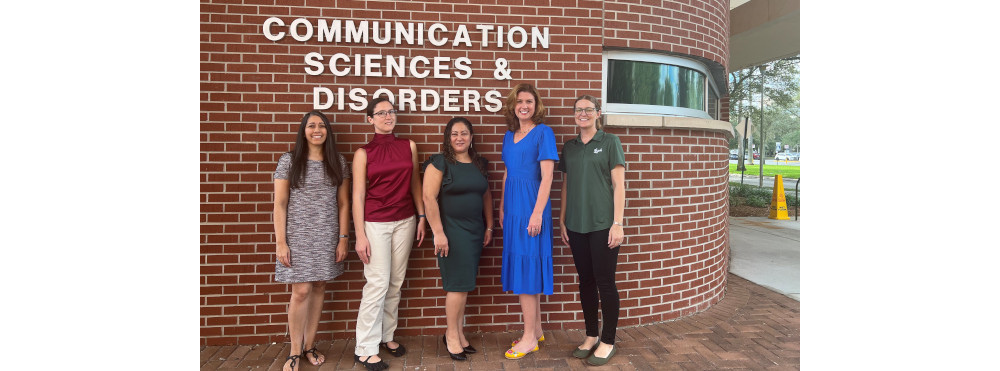
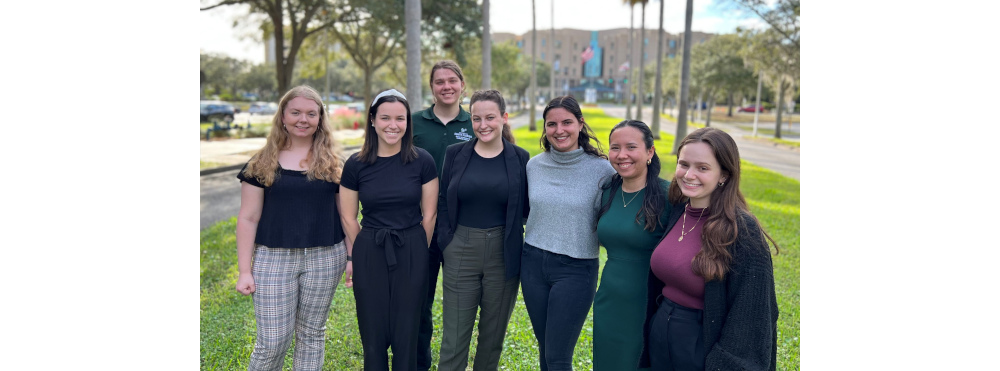
Who We Are – The BRain Lab focuses on the primary prevention/risk reduction, early detection, and prompt non-pharmacological intervention of brain diseases (e.g., Alzheimer’s disease [AD], CTE). Our multidisciplinary team of faculty and students is committed to the discovery and implementation of non-pharmacological, lifestyle, and sensory factors that may reduce the risk of various conditions of neurodegenerative etiology and potentially delay disease onset. Of paramount importance is the translation of the lab’s clinical research findings to those at greatest risk (e.g., older adults, contact sport athletes).
The Impact – No cure currently exists for Alzheimer’s disease (AD) or CTE. However, increasing evidence suggests that modifiable lifestyle factors (e.g., nutrition, physical/cognitive activity, chronic disease prevention/management), sensory factors (e.g., hearing and vision impairment) and non-pharmacological interventions (e.g., gamma entrainment using sensory stimuli [GENUS]) can be harnessed to significantly reduce the risk of such conditions. For example, hearing loss is associated with a two- to five-fold increase in dementia risk compared to those with normal hearing. Age-related hearing loss may account for 7% of all cases of dementia, making it the largest potentially modifiable risk factor. Overall, precision prevention, detection, and early intervention are of critical importance in reducing risk and potentially delaying onset.
Fang, M., Hu, J., Weiss, J. et al. Lifetime risk and projected burden of dementia. Nat Med 31, 772–776 (2025). https://doi.org/10.1038/s41591-024-03340-9