Student Projects
Capstone Projects (Spring 2026)
Camera Based Blood Flow Monitoring System
Spring 2026

Sponsored by SPKL
High-quality blood flow monitoring typically requires expensive, clinical imaging
systems that are not accessible for everyday use. Existing consumer devices (e.g.,
smartwatches) do not directly measure microvascular blood flow. This creates a gap
in the early detection of cardiovascular abnormalities, where subtle changes in blood
flow go unnoticed until more severe conditions develop.
Poster Link
Smart Solar-Powered Charging Station
Spring 2026
Sponsored by CHA
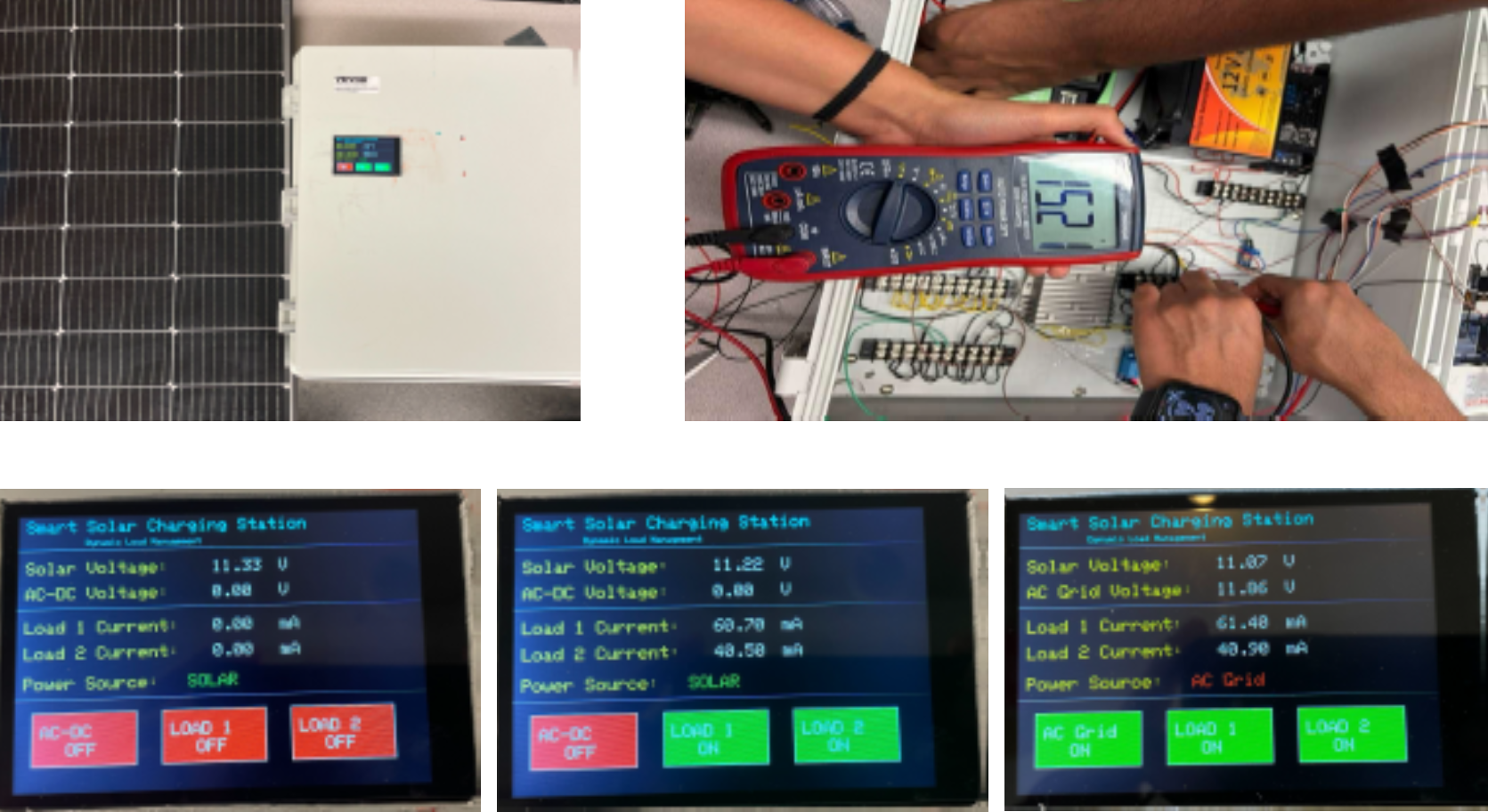
Traditional device charging draws almost entirely from carbon-intensive grid power.
Solar
generation is intermittent — output varies with irradiance and temperature — making
unmanaged
integration inefficient.
Small-scale deployments commonly lack real-time interfaces, multi-channel load switching,
or
graceful grid fallback. This project addresses all three gaps in a single low-cost
system.
Poster Link
Power Switching Circuit
Spring 2026
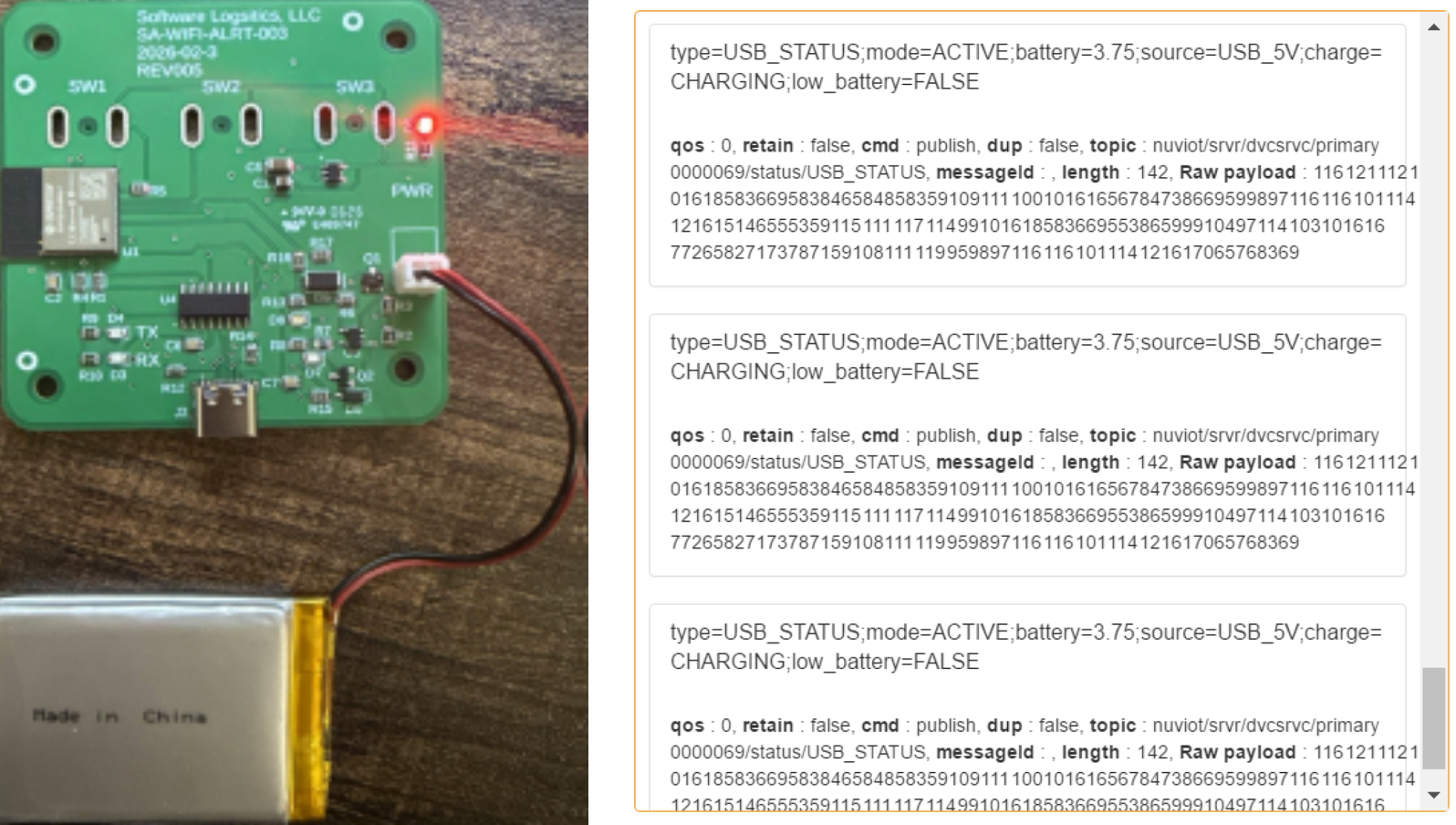
The motivation for this project is to provide Software Logistics with a modular, high-reliability
power platform for future IoT applications. Standard charging circuits often lack
the zero-reset design necessary for critical systems, where even millisecond switching
delays can cause system brownouts. By implementing a hardware-based power path, this
design ensures uninterrupted emergency transmissions, providing a fail-safe foundation
for medical alert devices where operational continuity is absolute.
Poster Link
Automation Tools for Power Plant
Spring 2026
Sponsored by NextEra Energy
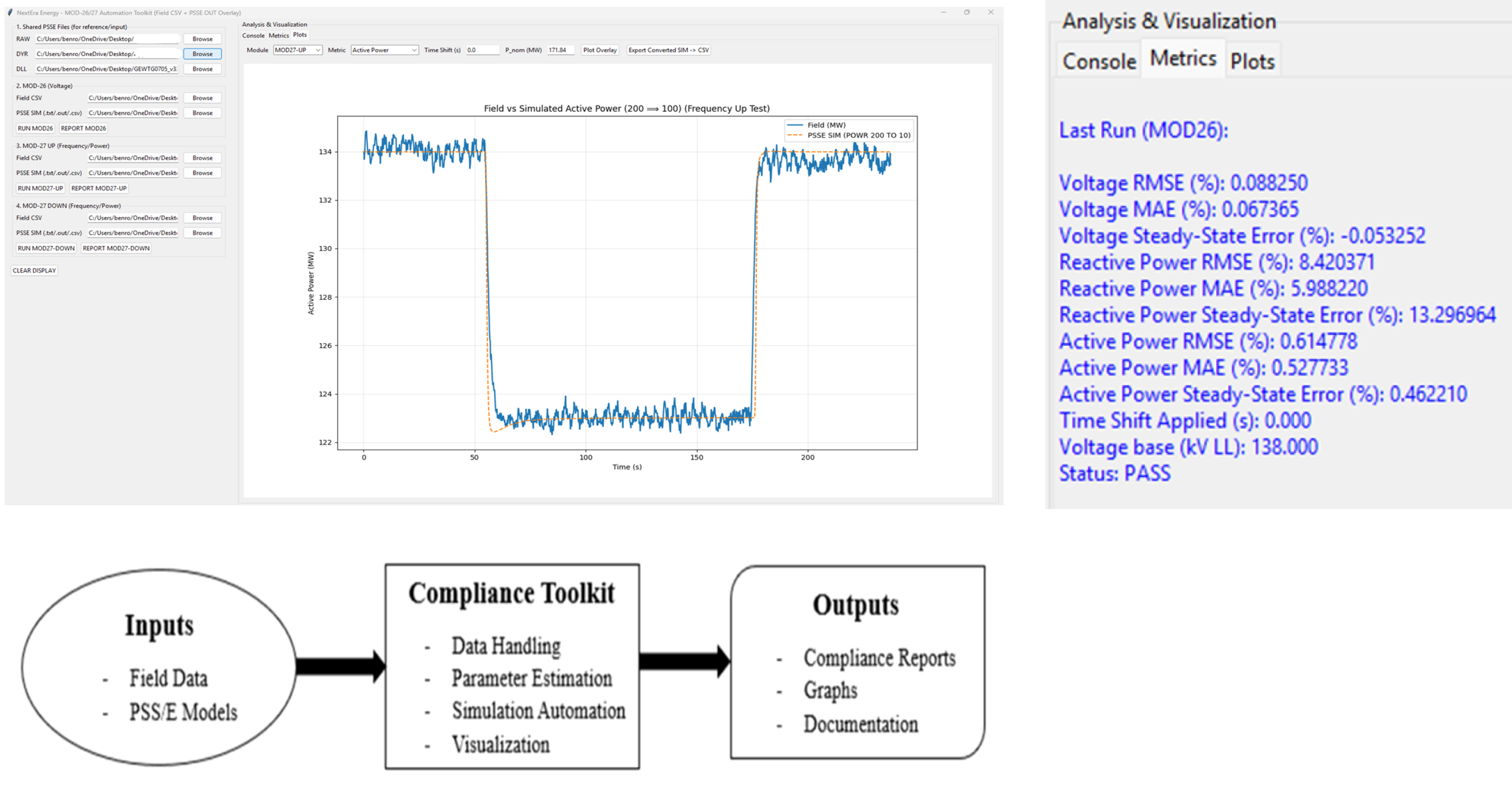
Manual validation of generator dynamic models using PSSE and field data is time-consuming
and prone to inconsistency. An automated framework is required to improve efficiency,
ensure repeatability, and support MOD-026 and MOD-027 compliance verification.
Poster Link
Predictive Maintenance for Fault Indicators
Spring 2026
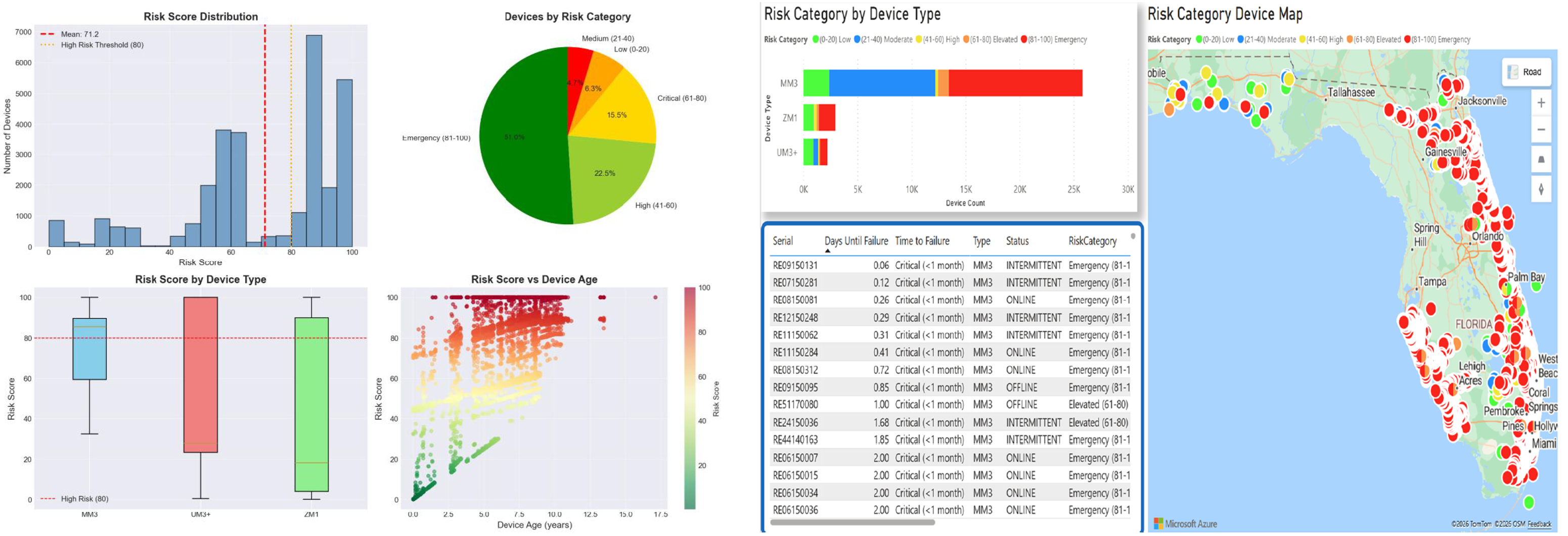
Improving the reliability of power distribution systems requires proactive identification
of failing monitoring devices before outages occur. By enabling predictive maintenance
for Fault Current Indicators, utilities can reduce unnecessary truck rolls, lower
operational costs, improve worker safety, and restore power more efficiently for customers.
Poster Link
Li-Ion Thermal Management with Supercaps
Spring 2026
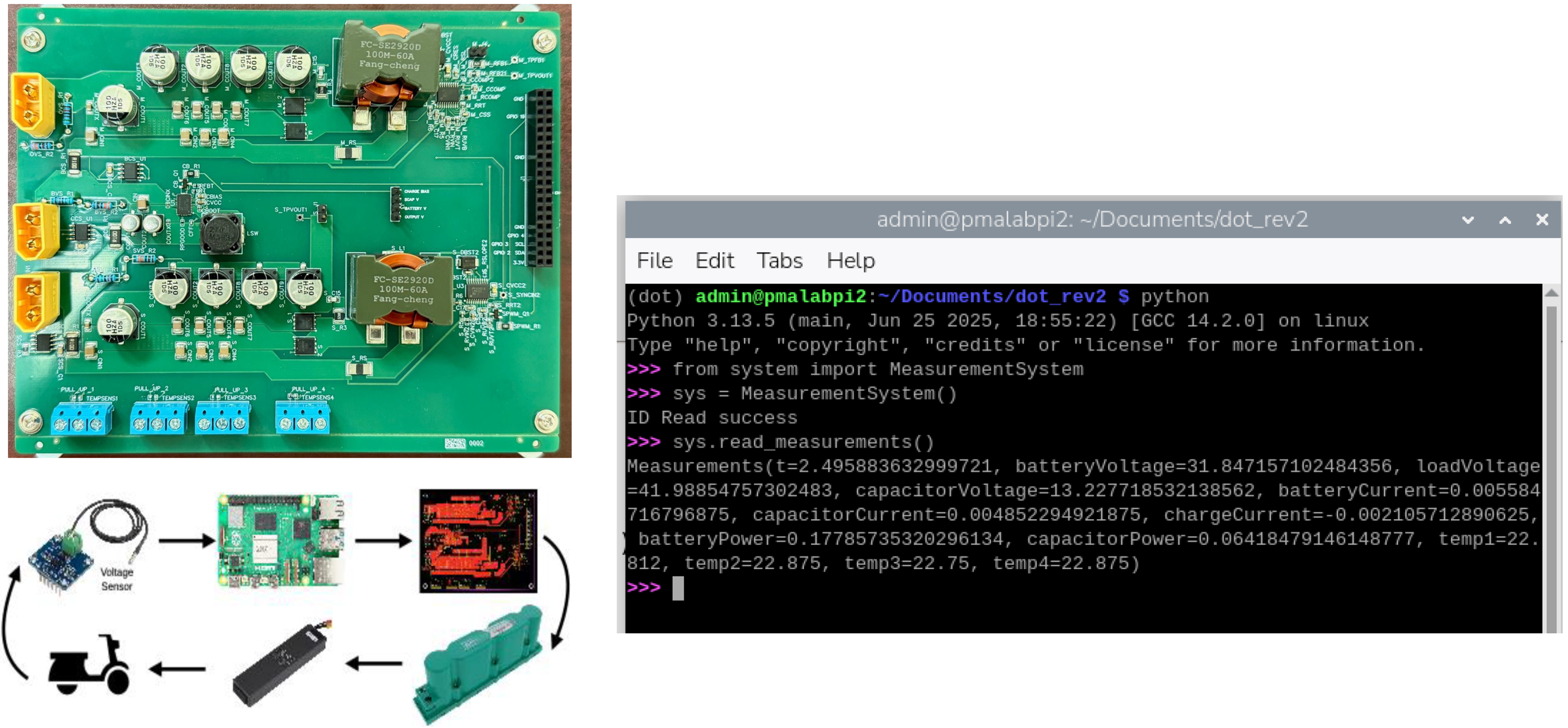
This project investigates how super capacitors can be used as a secondary power source
to reduce the load on a lithium-ion battery to prevent thermal runaway.
The system integrates current, voltage and temperature sensing to ensure safe and
efficient operation while a controlled charging strategy optimizes performance and
extends battery lifespan. By combining embedded hardware and real-time data acquisition,
the design aims to provide a reliable and scalable solution for energy storage applications.
Poster Link
Low-Power Matter-Enabled Smart Home Device
Spring 2026
Sponsored by JABIL
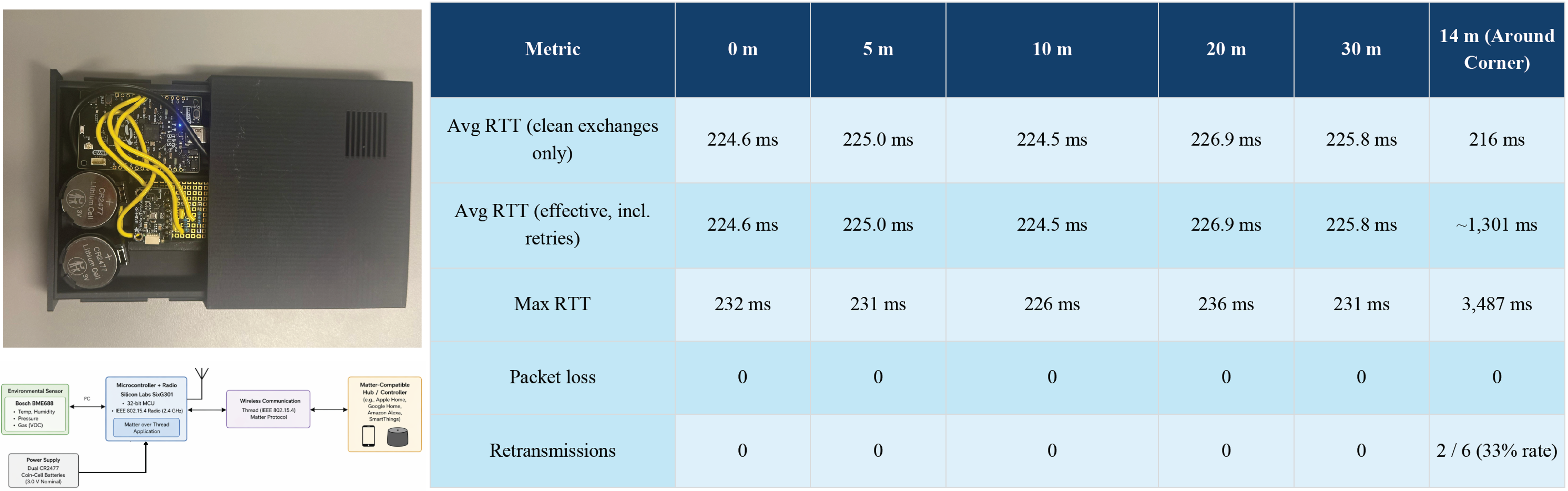
The project is motivated by the challenge of unifying fragmented smart home ecosystems.
By leveraging the Matter standard, the project is deisgned to eliminate vendor lock-in
and maximize battery efficiency. This standardized architecture provides a scalable,
cross-platform framework for environmental monitoring, ensuring that reliable indoor
air quality data is accessible across all major smart home platforms.
Poster Link
Semiconductor Electrical Characterization
Spring 2026
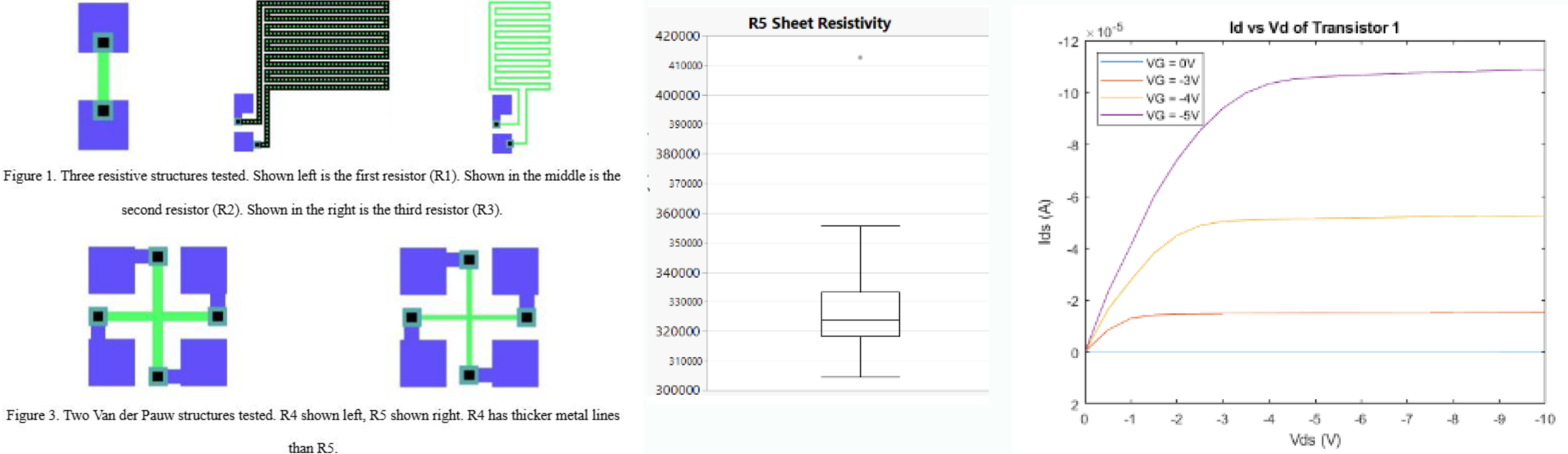
Semiconductor testing at NREC is complex and not easily accessible to new users, leading
to measurement errors, inefficient workflows, and potential device damage.
A standardized semiconductor characterization workbench was developed to provide accurate
I-V, C-V, and resistance testing, combined with a user-friendly interface and structured
training for reliable and safe operation.
Poster Link
High-Impedance Fault Detection and Analysis
Spring 2026
Sponsored by TECO
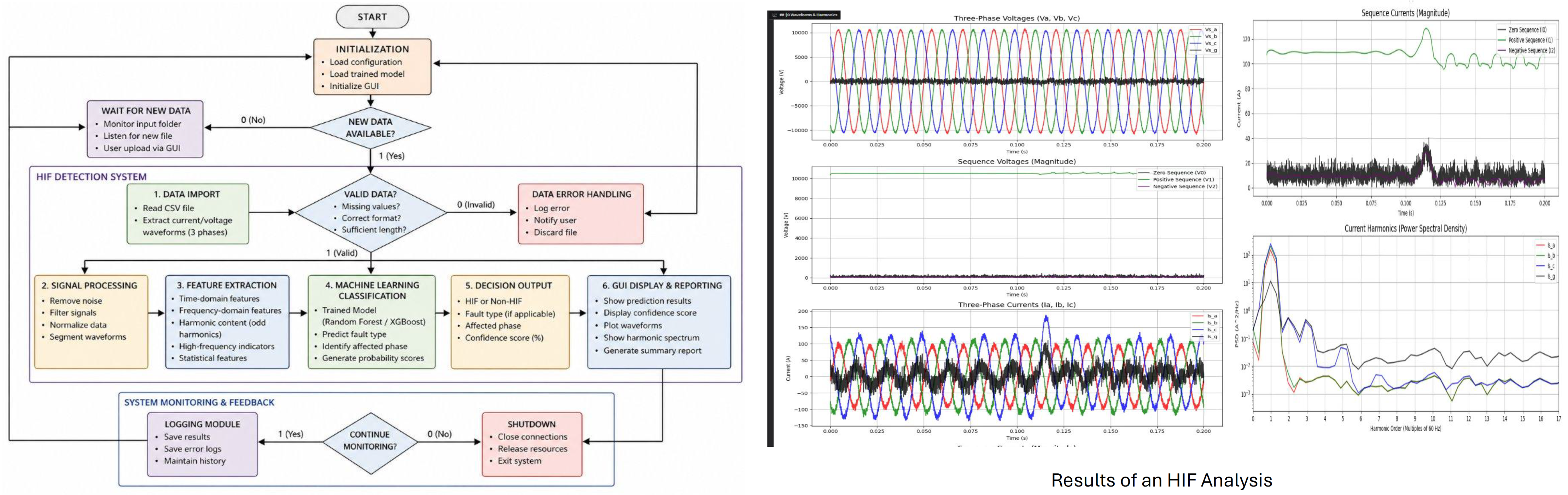
Traditional protection systems frequently fail to detect the low-magnitude, nonlinear
signatures of High-Impedance Faults (HIFs), creating a critical safety gap that leads
to hazardous “wire-on-ground” scenarios and fire risks. This project is motivated
by the need to bridge this gap for TECO by fusing distribution circuit models with
real-time waveform analytics. By leveraging physics-informed machine learning to isolate
unique harmonic and high-frequency fingerprints, the system provides high-confidence
classification of fault types (SLG, LL, LLG, 3Ø) and locations, delivering actionable
intelligence to enhance grid safety and reliability.
Poster Link
Wearable Blood Flow and Cardiac Monitoring
Spring 2026

The motivation behind this project is to develop a low-cost, wearable device that
enables
continuous monitoring of blood flow without requiring bulky, specialized equipment
or clinical
supervision. By providing real-time physiological data, this system has the potential
to improve
early detection of cardiovascular abnormalities and reduce reliance on hospital-based
diagnostics.
Poster Link
2026 IEEE SoutheastCon Hardware Competition
Spring 2026
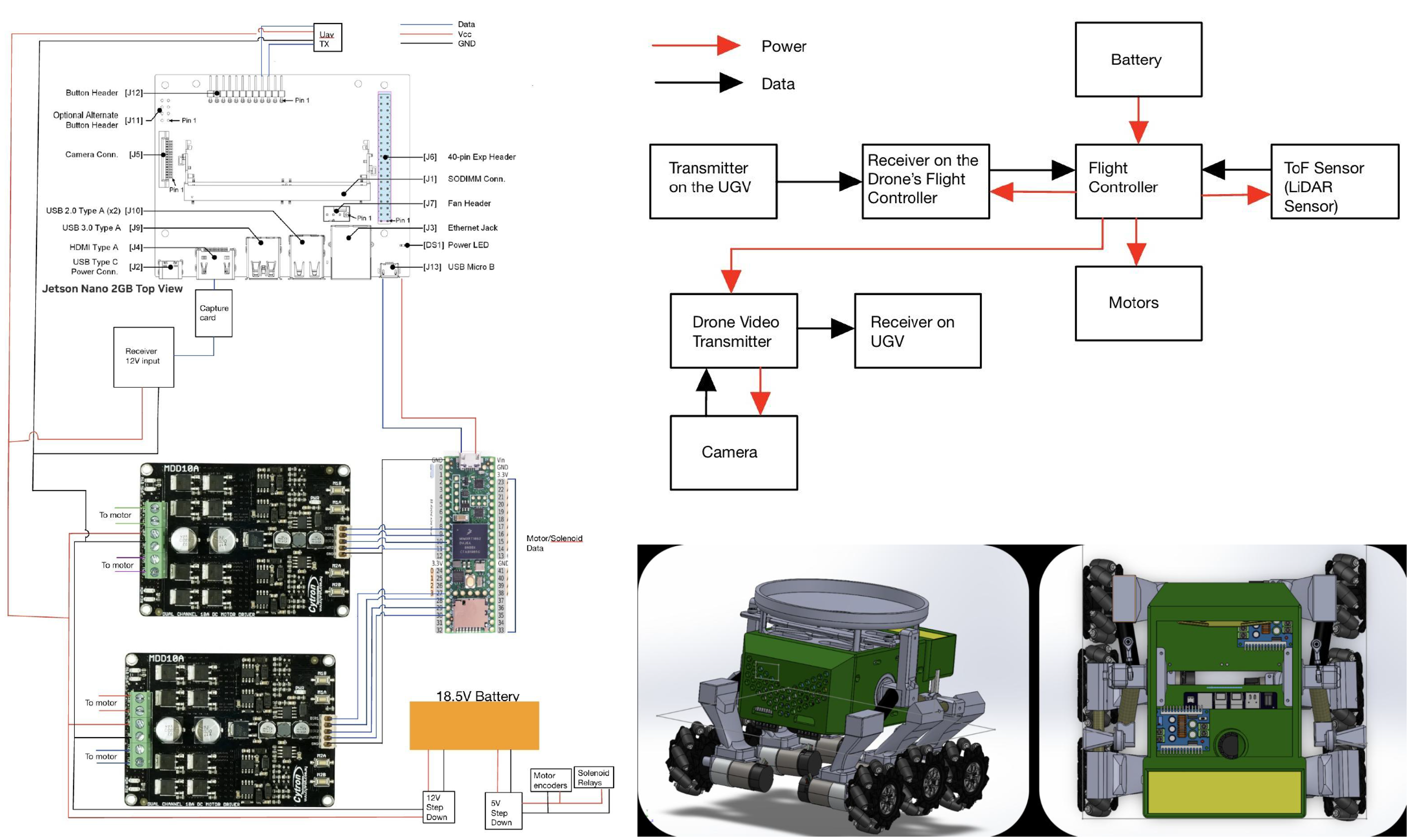
This project was developed for the IEEE SoutheastCon Hardware Competition held on
March 14, 2026, in Huntsville, Alabama. It involves designing a fully autonomous unmanned
ground vehicle (UGV), with an
optional unmanned aerial vehicle (UAV), to complete tasks on an interstellar-themed
game board and maximize scoring.
Poster Link
Radiotrophic Fungi Growth Monitoring System
Spring 2026

Radiotrophic fungi such as Cladosporium sphaerospermum have been seen in high-radiation
environments like Chernobyl. These organisms may absorb ionizing radiation, making
them a potential biological shielding solution. This project evaluates their behavior
and feasibility for future space applications.
Poster Link
TECO BUL (Buried Utility Locator)
Spring 2026
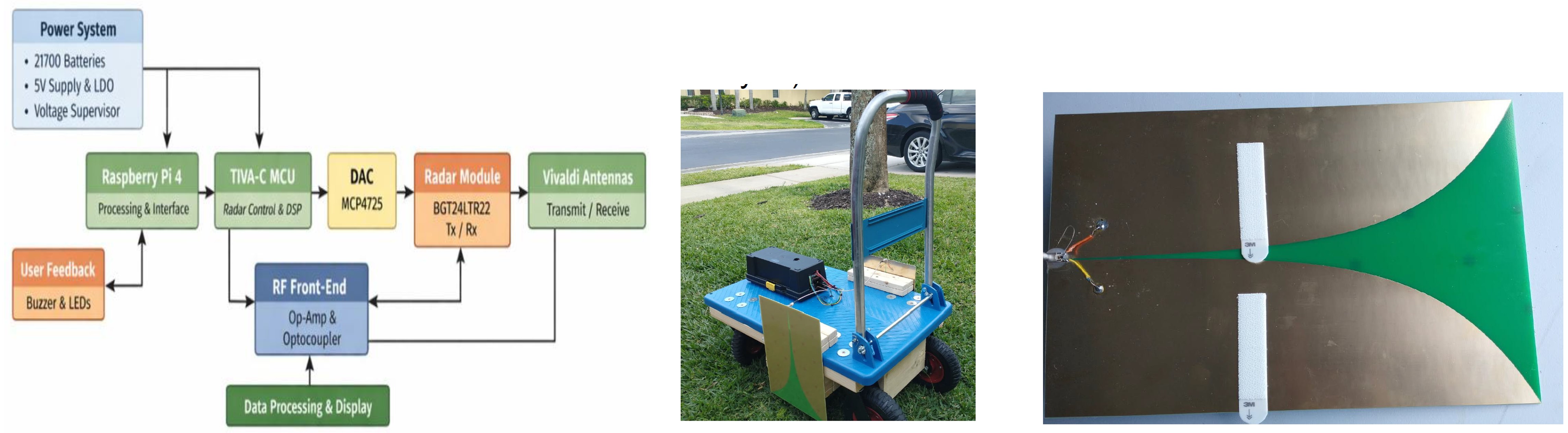
Sponsored by TECO Energy
Multiple TECO Energy substations lack accurate documentation of underground communication
cable locations. Construction contractors have inadvertently severed these cables,
causing service disruptions and costly repairs. Existing utility locating solutions
are either too expensive, require specialized training, or lack the resolution needed
for substation-scale cable mapping.
This project designs a portable, affordable, custom-built Ground Penetrating Radar
(GPR) system operable by a single field technician without requiring advanced RF or
signal processing expertise to detect buried communication cables at TECO substations
before excavation begins.
Poster Link
RTX Autonomous Vehicle Competition
Spring 2026
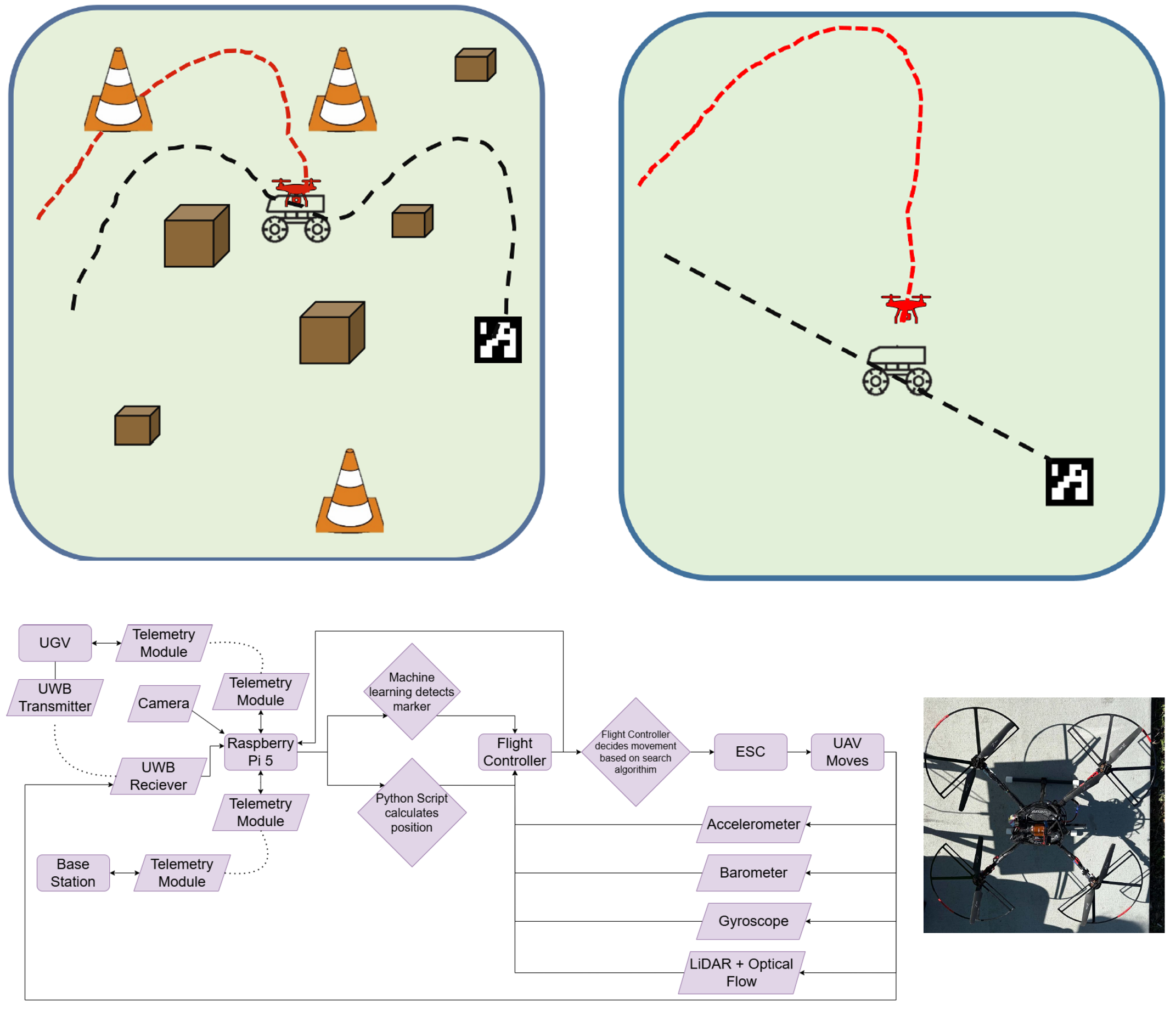
The 2026 RTX Autonomous Vehicle Competition challenged teams to develop a coordinated
UAV–UGV system capable of autonomous navigation, target detection, and task execution
across three progressively harder rounds, without the use of GPS. The first round
focused on UAV takeoff, going in a straight line, and landing on the UGV. The second
introduced ArUco marker detection and coordinated transport by the UGV. The third
added obstacle detection and avoidance during flight.
Poster Link
RTX Autonomous Vehicle Competition UGV
Spring 2026
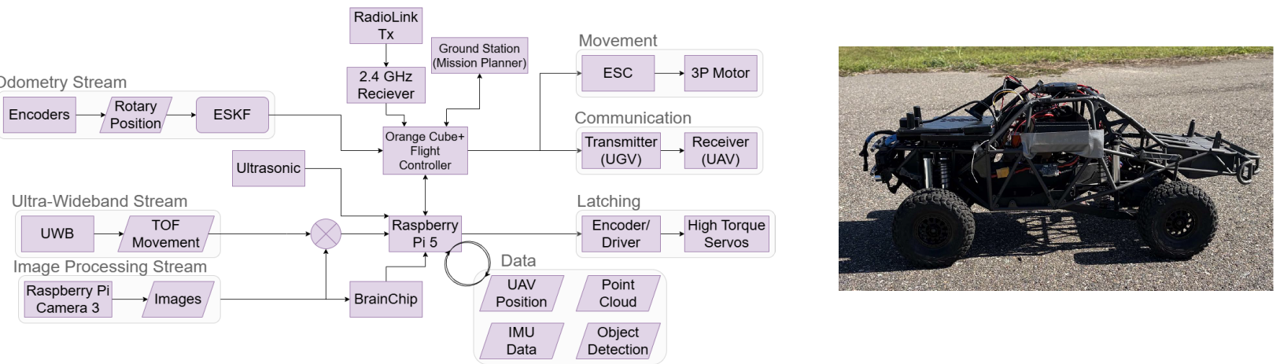
This work is applicable to real-world scenarios involving GPS-denied environments,
such as space exploration missions including Mars rovers, where traditional navigation
systems are unavailable. Additionally, similar systems can be applied to disaster
response, search and rescue, and military operations, where reliable autonomous navigation
without GPS is critical. This approach improves operational safety by reducing human
risk, lowers costs compared to manned systems, and provides an environmentally friendly
solution through the use of electric, low-emission platforms.
Poster Link
SplatMotion – 3D Scanning on Android Device
Spring 2026
Sponsored by ISO Technologies
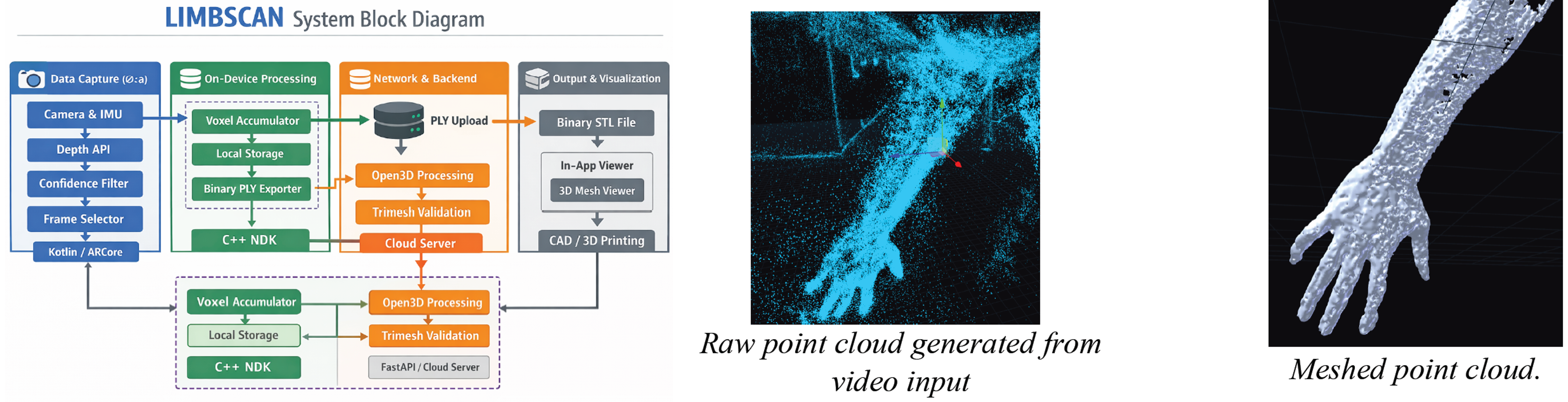
SplatMotion democratizes prosthetic care by replacing specialized scanners with standard
Android smartphones. By eliminating plaster molding and producing scanready STL files
compatible with 3D printing, we significantly reduce fabrication time and equipment
costs for patients globally. This technology can also be extremely useful for hobbyists
who want to bring objects into their 3D design software.
Poster Link