Some students are naturally drawn to stories. They notice dialogue in movies, rewrite
endings in their heads, or spend hours building characters and worlds that never make
it into a classroom assignment. The interest is real, but the opportunities to develop
it often are not.
For many families, this creates a gap. Your child has a clear creative spark, but
there are limited ways to explore it beyond schoolwork or independent writing. And
without guidance or feedback, that interest can stall or stay surface-level.
A creative writing summer camp can bridge that gap. In the right environment, students move beyond casual writing and begin to understand how storytelling works. They learn how to shape ideas, refine their voice, and engage with writing in a more intentional way while connecting with peers who share the same curiosity.
Why a Creative Writing Summer Camp Matters
Creative writing is one of the few disciplines where skill and identity are closely
connected. Students are not just learning techniques. They are learning how to express
their perspective.
In a structured summer program, that process becomes more intentional. Students are
given time to create, along with the tools to improve and reflect.
Andrea Rinard, creative writing instructor and published author, explains the value of this environment clearly: “Although individual perspectives are at the heart of any creative art, collaboration is a vital part of the process. Talking through ideas and giving, receiving, and utilizing feedback are all integral to bringing a creative vision to life. I've experienced this not only in my own process as a published author but also as a former high school English teacher and current creative writing instructor at Ringling College of Art and Design where students benefit from working with classmates on written, visual, and digital projects across disciplines. Additionally, students who write in a collaborative workshop environment have the opportunity to develop and practice "soft" skills such as clear communication and listening, respect for diverse and divergent viewpoints, and emotional intelligence, all elements needed for success as students and, later, professionals.”
Research from the National Writing Project supports this approach, showing that students grow more confident and capable when writing is taught through collaboration and discussion rather than isolated assignments.
What Students Gain Beyond the Page
For parents who are encouraging exploration, the value of a creative writing summer
camp goes well beyond writing itself. Students begin to communicate ideas more clearly,
think critically about structure and audience, and build confidence in sharing their
work. They also learn patience through revision, which is often where the most meaningful
growth happens.
These are practical skills that show up in essays, presentations, and future academic
or career settings, even for students who do not plan to pursue writing long term.
What Actually Happens at a Creative Writing Summer Camp
Many people picture writing camps as quiet rooms and long lectures. In reality, the experience is active, social, and highly engaging.
Learning the Craft of Writing
Students explore how strong writing is built by focusing on structure, voice, pacing, and character development. They also spend time analyzing published work to understand how these elements function in real stories.
Andrea Rinard highlights how this process strengthens both writing and reading skills:
“Through lively, interactive lessons and activities, our student campers will not
only have the opportunity to express themselves through prose and poetry but also
consider model writing in a variety of texts by published authors. By using curated
texts as examples of specific concepts and skills, students practice syntax and diction
strategies, detail selection, and other skills that apply and transfer to other writing
tasks, such as academic and professional writing. Great writers are strong readers,
and providing our students with opportunities to study the mechanics of effective
writing not only helps them learn to write with clarity and precision, select the
best word and most apt detail, and craft the most cogent sentences to emphasize the
most important idea, but it also increases their skills as readers. These are all
skills that benefit everyone who seeks to communicate effectively, convincingly, and
beautifully.”
Resources like the Purdue Online Writing Lab reinforce this idea, emphasizing that understanding structure and audience leads to stronger, more effective writing.
Writing Every Day
Students are not waiting for inspiration. They are writing consistently, trying new
techniques, and building momentum.
This daily practice helps them move from ideas to completed pieces, while also building
discipline and confidence in their ability to create.
Exploring Different Forms of Writing
Exposure plays a big role in growth. Students may arrive thinking they only enjoy
one type of writing, but quickly discover new interests as they explore fiction, poetry,
nonfiction, and even visual storytelling.
This variety allows them to experiment and better understand where their strengths
and interests align.
The Role of Feedback and Community
One of the biggest shifts for young writers happens when they move from writing alone to sharing their work with others.
Guided Workshops
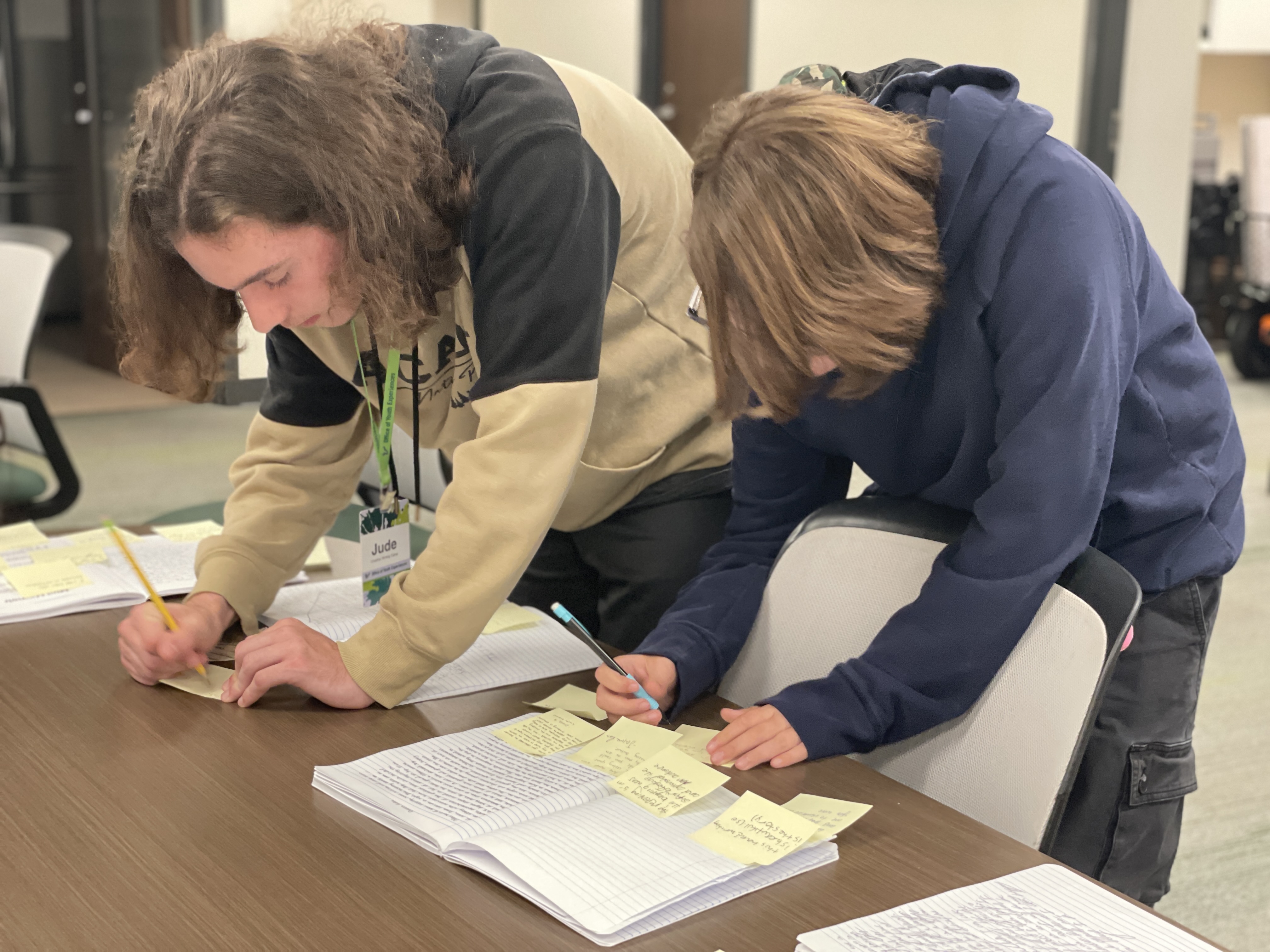
Students participate in structured workshops where they share their writing and receive feedback from both peers and instructors. This process helps them understand how to revise with purpose and improve their work over time.
Building Confidence
Working alongside other students who enjoy writing creates a sense of belonging. It
also makes sharing ideas feel less intimidating.
As students become more comfortable expressing their thoughts, that confidence often
extends into other areas of their academic and personal lives.
How This Experience Supports Long-Term Growth
Parents in this stage are looking for more than just a way to fill the summer. They want experiences that help their child grow into their interests.
A creative writing summer camp supports that growth by helping students build a portfolio of original work, strengthen college application materials, explore potential academic or career paths, and develop a stronger sense of identity through their writing.
A Closer Look at USF Creative Writing Summer Camp
For students ready to take that next step, the USF Creative Writing Summer Camp offers a structured and immersive experience on the University of South Florida Tampa
campus.
Students work closely with published authors, faculty, and MFA graduate students in
a workshop-style setting. Throughout the week, they analyze different genres, write
daily, and participate in peer critiques that help refine their work.
Andrea Rinard explains what sets this experience apart: “Since our USF YXP summer camp is an immersive experience, students engage in seamless activities that build from activity to activity and day to day throughout the week. In a traditional classroom, there is often not enough time to achieve the depth needed for students to fully absorb and put concepts and skills into practice before the bell rings to send them to chemistry or algebra. In our camp, students are active and engaged for the entire week with the time and continuity to practice and achieve mastery before continuing to the next building block. We also take the students out of the classroom for things like sensory scavenger hunts and ekphrasis writing at the USF Contemporary Art Museum, experiences that ensure engagement, fun, and wonder as the students create and hone their written works.”
By the end of the program, students have developed a portfolio of original writing and selected a piece to be published in a class collection, giving them both a sense of accomplishment and a clear marker of their growth.
How to Choose the Right Creative Writing Summer Camp
If you are evaluating programs, it helps to look at a few key elements. Strong camps are led by experienced instructors who actively work in the field. They balance instruction with hands-on writing and provide structured opportunities for feedback. The environment also matters. A university setting can offer a more immersive and inspiring experience that helps students take the work seriously.
Helping Your Child Move from Interest to Growth
When a student shows a clear interest in something, the next step is exposure. Without
it, even strong interests can plateau.
Creative writing requires practice, feedback, and the chance to see what is possible.
A creative writing summer camp provides all three in a way that feels engaging and
meaningful.
Conclusion
Creative interests can be easy to overlook, especially when they do not follow a traditional academic path. Writing, however, plays a powerful role in how students think, communicate, and understand the world around them.
A creative writing summer camp offers the structure, mentorship, and community needed to turn that interest into something more developed. Students leave with stronger skills, greater confidence, and a clearer sense of their voice.
If your child has been exploring storytelling or creative expression, this kind of experience can help them take a meaningful next step while building skills that will benefit them far beyond the page.