Preparing Educators Through Meaningful Clinical Experiences
Teacher candidates engage in carefully designed clinical experiences that connect coursework with authentic teaching practice in schools and communities throughout the Suncoast region.
Clinical experiences are embedded throughout many of our educator preparation programs, including Elementary Education, Early Childhood Education, English Education, Mathematics Education, Science Education, Social Science Education, Physical Education, Special Education, and Education (Elementary and Special Education).
These experiences allow teacher candidates to develop the knowledge, skills, and professional confidence needed to positively impact learners from their first day in the classroom.
A Developmental Approach to Clinical Practice
Clinical experiences are intentionally sequenced throughout a candidate's preparation program, with each experience building upon the last. Many programs include a clinical experience every semester, allowing teacher candidates to progressively develop their teaching practice over time through:
- Building relationships with students and families
- Planning and delivering instruction
- Assessing student learning
- Managing classroom environments
- Supporting diverse learners
- Collaborating with school professionals
Strong Partnerships, Authentic Learning
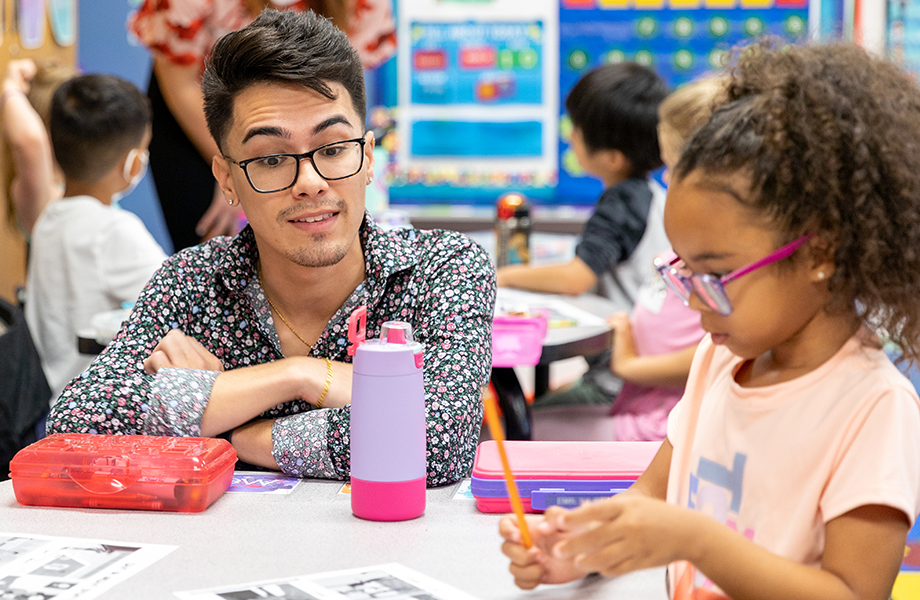
Clinical experiences take place in partnership schools across seven Suncoast-area school districts:
- Hillsborough County Public Schools
- Pasco County Schools
- Pinellas County Schools
- Polk County Public Schools
- Hernando County School District
- School District of Manatee County
- Sarasota County Schools
These opportunities are made possible through long-standing relationships with district and school leaders who share our commitment to preparing the next generation of educators.
Coaching That Accelerates Growth
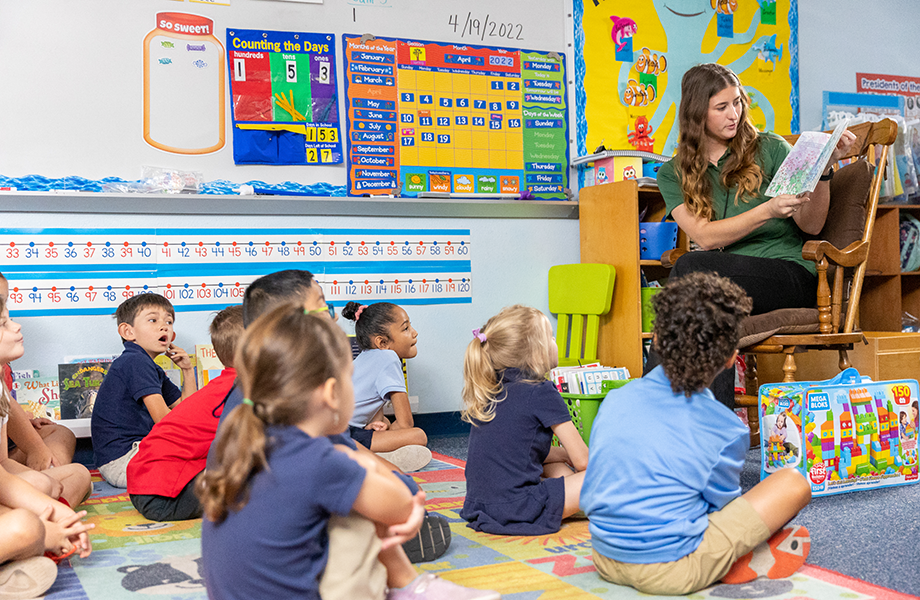
A hallmark of the USF clinical model is individualized coaching and support.
Teacher candidates are supported by both a university supervisor and an experienced K-12 classroom teacher serving as a mentor teacher throughout their clinical experiences. Through these experiences, they receive:
- Actionable feedback that can be implemented immediately
- Goal-setting and reflection opportunities
- Guidance from experienced educators
- Developmental support tailored to their individual needs
Long-Term Placements That Build Relationships
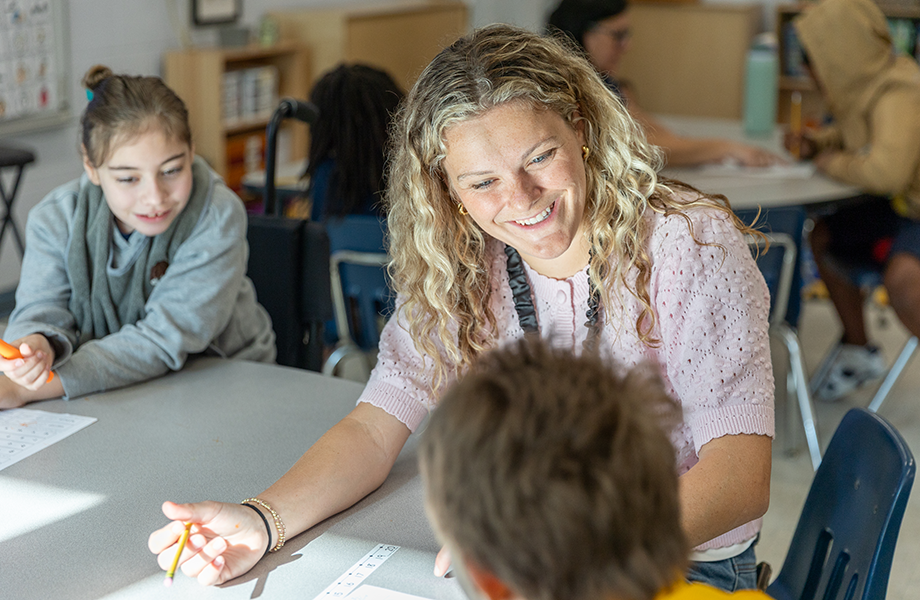
Several programs feature yearlong internship experiences in which candidates remain with the same classroom and mentor teacher throughout the academic year. These extended placements provide unique opportunities for candidates to:
- Build meaningful relationships with students
- Observe student growth over time
- Differentiate instruction based on student needs
- Experience the full cycle of a school year
- Strengthen collaboration with mentor teachers and school staff
Mentor Teachers: Partners in Preparation
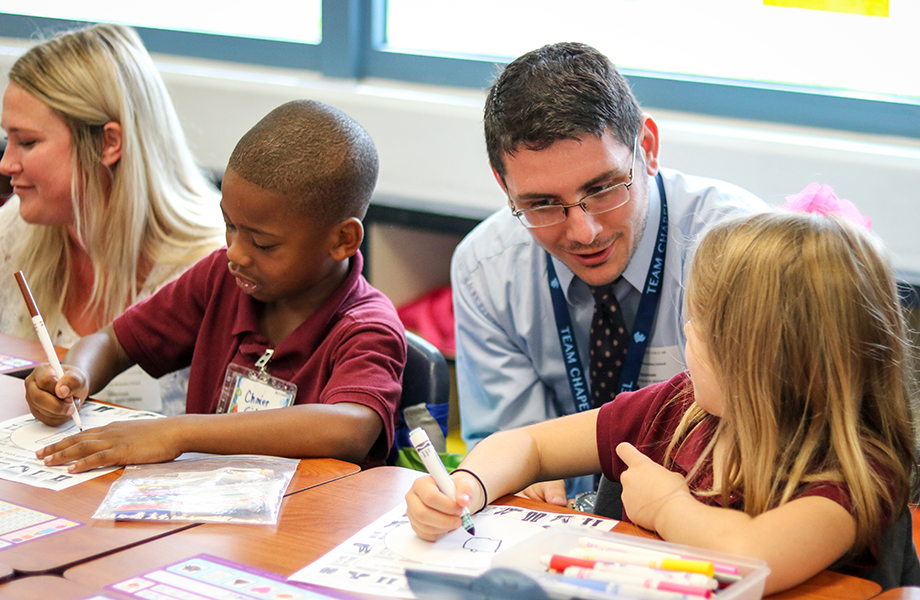
Experienced K-12 mentor teachers play a critical role in preparing future educators to connect theory to classroom realities through:
- Mentor teacher meet-ups
- On-site school-based meetings
- Clinical educator development opportunities through the David C. Anchin Center
- Recognition and incentives for mentoring teacher candidates
Connecting Coursework and Practice
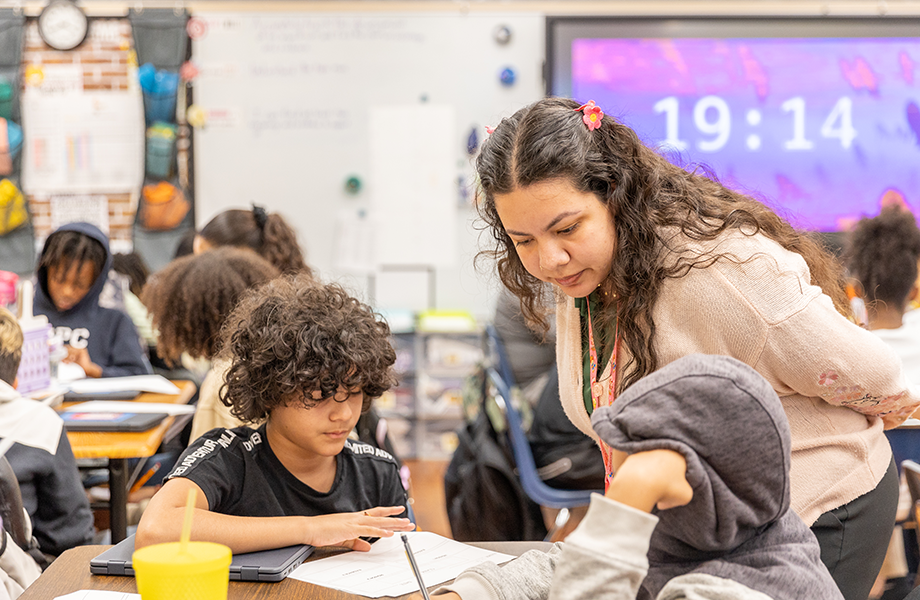
Clinical experiences are intentionally integrated with university coursework. Teacher candidates apply what they are learning in real classrooms while receiving guidance from faculty, university supervisors, and mentor teachers.
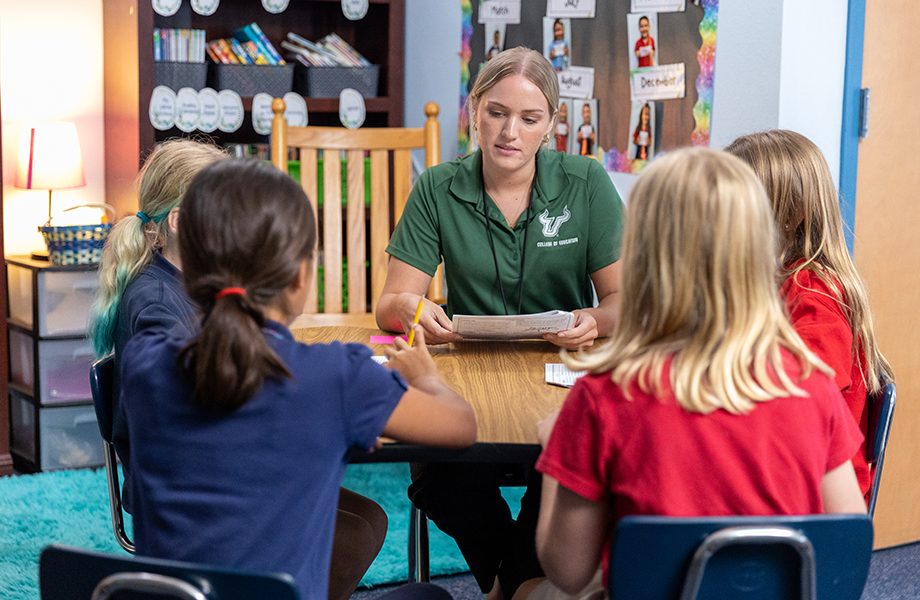
Literacy Education – Candidates administer assessments, analyze student data, and use findings to inform instructional decisions for individual learners.
Classroom Management – Candidates engage in routines of practice connected to course concepts, applying classroom management strategies in authentic educational settings.
Innovation Through Partnership
USF works closely with school districts to continuously improve educator preparation.
Faculty collaborated with Hillsborough County Public Schools to redesign clinical evaluation processes and align candidate assessment tools with district evaluation frameworks. Faculty and district leaders also co-developed professional learning for university supervisors, strengthening connections between university preparation and district expectations.
These collaborative efforts help ensure that teacher candidates are prepared for success in today's schools and classrooms.
Global Learning Opportunities
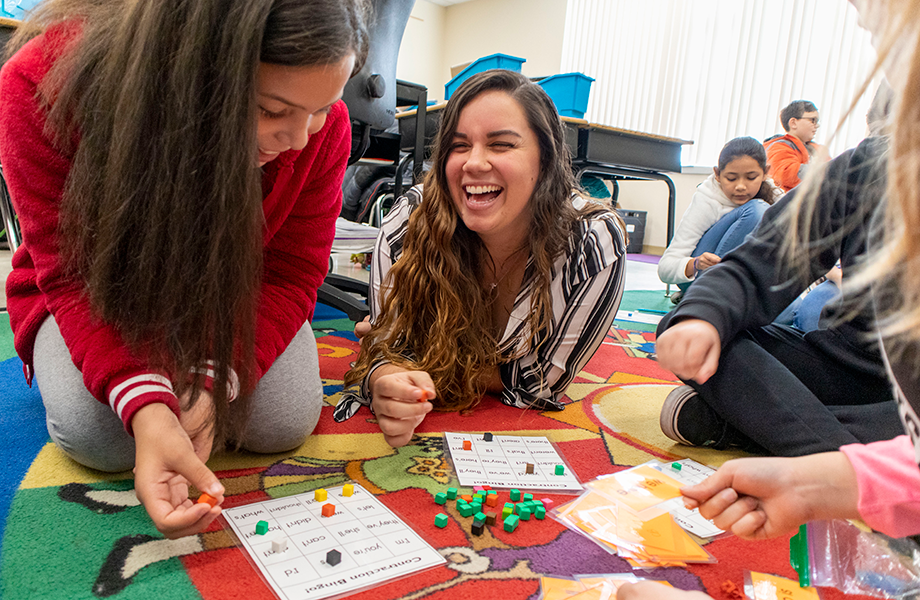
Clinical experiences extend beyond local schools. Teacher candidates may participate in international experiences, including opportunities in Costa Rica, where they engage with diverse educational contexts and develop a broader understanding of teaching, learning, and culture.
These experiences prepare future educators to work effectively with diverse learners in an increasingly interconnected world.
From Candidate to Classroom-Ready Educator
The College of Education's clinical experience model is built on a simple principle:
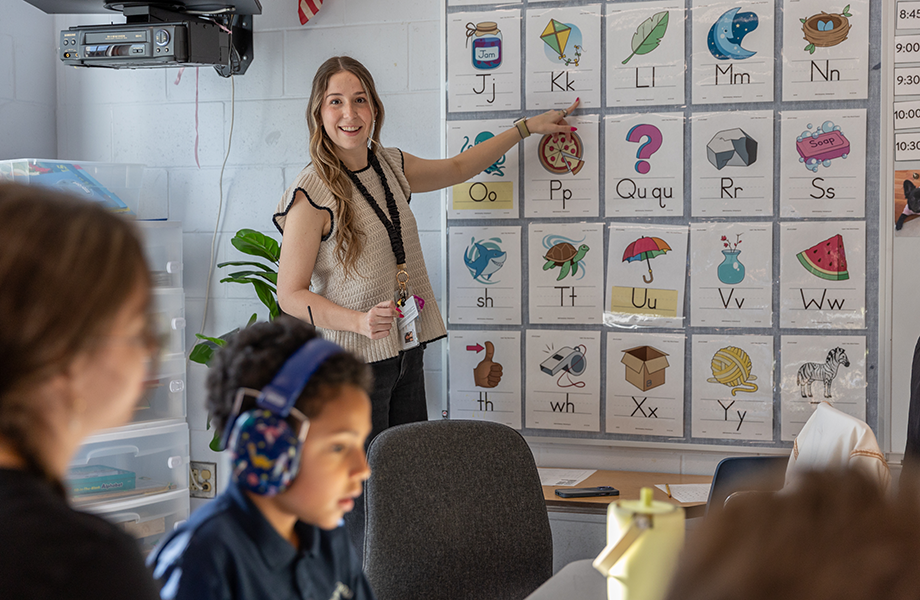
At USF, future educators learn to teach through carefully sequenced clinical experiences, expert coaching, and meaningful partnerships with schools and districts.
Through developmental clinical experiences, sustained school partnerships, individualized feedback, and immersive internship opportunities, candidates graduate prepared not only to enter the profession, but to lead learning, support diverse students, and make an immediate impact in schools and communities.
The best educators are developed through carefully designed experiences that connect coursework with authentic classroom practice, supported by expert supervision, mentoring, coaching, and reflection.