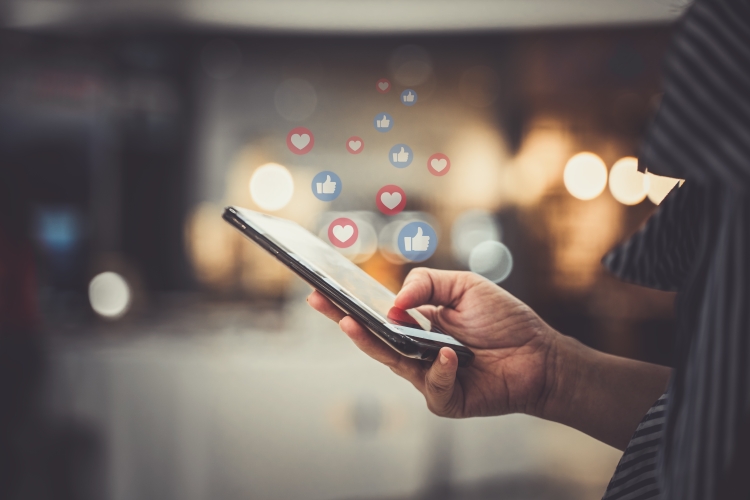
A Cost for Constant Connectivity
Social media platforms have become a ubiquitous part of modern life, providing people with convenient methods to communicate, share information, and make connections. While these digital outlets have become prevalent, many individuals are evaluating how much time they spend on them—and if that time comes at a high cost. Increasingly, people are realizing that constant connectivity doesn’t automatically translate into greater well-being or meaningful relationships. Mental health concerns, loss of focus, sleep disruption, and the degeneration of public discourse are all serious issues; there’s good reason to reassess social media habits and take deliberate steps for more intentional screen time.
Mental Health Concerns
One major reason adults are taking another look at social media is its potential impact on mental health. Frequent exposure to carefully curated images and posts often prompts unhealthy comparisons, leaving people feeling inadequate about their physical appearance, achievements, relationships, or lifestyles. This cycle contributes to anxiety, depression, or general emotional distress. These concerns are becoming difficult to dismiss as more adults recognize the relationship between their social media habits and their well-being. Polling indicates that roughly one-third of adults believe social media does more personal harm than good. That realization, for some, is prompting a conscious effort to reduce use.
Loss of Focus and Sleep Disruption
Social media can also make it hard to maintain focus and establish healthy boundaries around screen time. Platforms are designed to encourage nonstop engagement, with notifications, likes, and endlessly refreshed content providing limitless opportunities for dopamine hits. These features can create a sequence of checking and responding that becomes difficult to step away from. The effects often extend beyond lost productivity. Spending too much time on social media late at night might interfere with healthy sleep patterns, while constant digital stimulation can—counterintuitively—add to emotional fatigue and stress. The cognitive and physical costs are becoming increasingly apparent.
Damage to Societal and Political Discourse
Concerns about social media don’t stop at individual well-being. The broader health of society must be evaluated. Many adults believe that social media has contributed to declining public trust and made productive political and social discussion more difficult. Online conversations may become polarized, reducing complex issues to competing viewpoints. People tend to interact primarily with those in their respective echo chambers. At the same time, digital connections can’t reproduce the support and sense of community of face-to-face relationships. Recognizing these limitations, some adults are stepping back from their feeds and making more room for important conversations, family, friendships, and local involvement.
A Measured Approach
Reconsidering social media doesn’t mean abandoning it altogether. These platforms can offer genuine benefits, from maintaining long-distance relationships to discovering information and connecting with people and communities that might otherwise be difficult to reach. The challenge is using social media intentionally rather than allowing it to overwhelm our attention. That means setting limits—turning off unnecessary notifications, protecting sleep, and making time for face-to-face relationships. As awareness of social media's potential drawbacks increases, a healthier digital life may depend less on disconnecting completely and more on deciding when—and why—we choose to connect.