A Growing Educational Trend
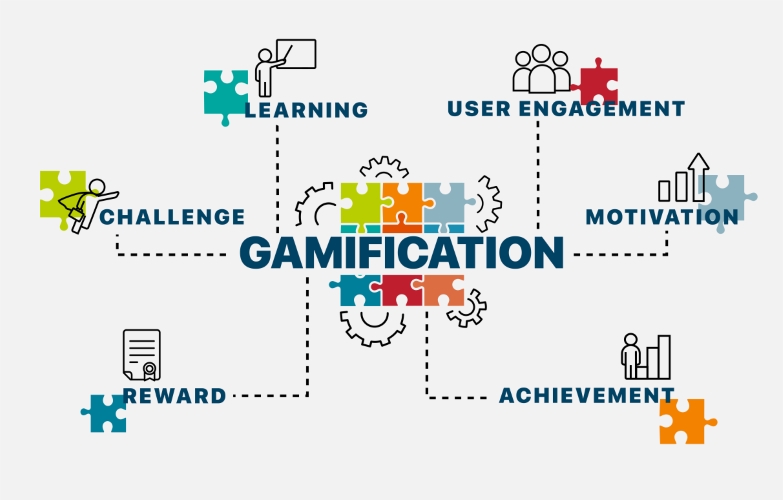
The gamification of learning has morphed from niche tool to conventional strategy across educational systems. In its essence, gamification applies game-like elements—such as points, progress bars, badges, and challenges—to learning environments to spark and sustain engagement. Today’s learners are inclined to interactive digital experiences, and gamification can make instruction feel more intuitive, enjoyable, and relevant. Whether used in schools or workplace settings, gamification aims to transform the learning process from a flat, obligatory task into a multidimensional, exciting journey.
The Appeal of Gamification
In an era where the global popularity of video games continues to skyrocket, the appeal of gamified learning is undeniable. Gamified learning is effective because it uses intrinsic and extrinsic motivators. Its elements tap into human responses such as curiosity, achievement, and competition. Progress indicators offer a sense of accomplishment while rewards help incentivize effort. When learners feel reasonably challenged, they enter a flow state of focused interest. Attractive graphics and guiding audio prompts make for a heightened learning experience that has the potential to boost recall and confidence.
Examples in Modern Learning
How is gamification showing up in modern learning frameworks? In K–12 classrooms, teachers now use platforms that award points for completing quizzes or participating in discussions. Higher education often incorporates simulations, virtual labs, or case-based challenges allowing students to explore real-world scenarios. In the corporate world, organizations employ gamified compliance modules, leadership simulations, and skill-building apps with achievement badges and team scoreboards. With feedback loops, learners recognize what they know, where they need improvement, and how close they are to another milestone.
A Caution Against Overreliance
Gamification, however, isn’t always appropriate. Too much dependence on rewards can shift attention away from authentic learning and toward high scores. In contexts involving sensitive subjects or serious professional requirements, game elements may feel trivial or distracting—and at worst, disrespectful. Poorly designed gamification can frustrate learners if the challenges are too difficult, too easy, or misaligned with learning outcomes. For gamification to function, it must be properly structured and thoughtfully integrated, supporting clear educational goals—not distracting from them.
A Balanced Approach to Gamified Learning
Ultimately, gamification holds significant promise as a tool for enhancing engagement, motivation, and knowledge retention. When applied with considered intent, it can make the learning process more interactive, meaningful, and enjoyable for a wide range of learners. It works best, however, when used as a specific component of a broader curriculum. Educators and trainers should evaluate their objectives, audience, and subject matter before deciding whether gamification contributes value. With measured implementation, gamification’s streaks, levels, and meters can support learning without subtracting from its gravity.