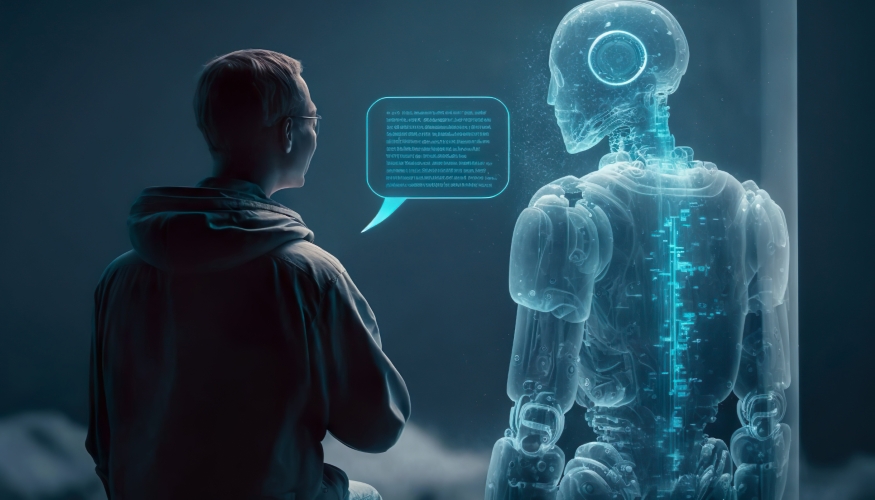
AI is having a moment. Every week, there is a new tool, a new headline, or a new prediction about which jobs are about to change forever. Project management is part of that conversation. AI can help teams move faster, organize information, generate drafts, support research, and even assist with planning. That matters. It is useful. It is already shaping how work gets done.
But let’s be clear about something: Human skills are the competitive advantage. While the tools may evolve, people are still the reason the work gets done.
Project Management Was Never Just About Tasks
Project management is not one job function in a neat little box. It is not just timelines, templates, or status updates. It is coordination. It is communication. It is accountability. It is keeping people aligned when priorities shift, deadlines tighten, and five different moving parts all need attention at once. That is why the role still matters.
You can automate pieces of the work. You can speed up parts of the process. You can hand certain tasks off to AI. What you still need is a person who can see the full picture and make sure the project actually gets where it needs to go. That part is human.
AI Can Help With the Work. It Cannot Own the Outcome.
Someone still has to review the output. Someone still has to decide whether it makes sense. Someone still has to catch what is missing, what is off, or what looks polished but falls apart in practice.
That is especially true in project management, where success depends on more than generating content or checking boxes. Projects need leadership. They need judgment. They need someone who can pull together people, priorities, systems, and next steps without letting the whole thing drift into chaos. AI can assist. It still needs a human at the wheel.
The Framework Is Not Going Anywhere
The tools will keep changing. That part is easy to predict. The foundation of project management is sticking around. Projects still require communication, coordination, decision-making, accountability, leadership, and follow-through. That framework does not disappear because new technology shows up. If anything, it becomes even more important. The more tools teams have, the more valuable it becomes to have someone who can keep everything focused, organized, and moving forward.
Because if you're like me, you have a planner, a task app, a calendar, three reminders, and at least one sticky note we are pretending is a system.