Despite gradual progress in insurance policies requiring hearing aid coverage, many Americans still lack guaranteed access to these essential devices, according to a new study published in JAMA Otolaryngology–Head & Neck Surgery.
The study found substantial differences in mandated coverage across age groups, with the greatest increase among children and the most persistent gaps among older adults.
Titled “Longitudinal Growth of Mandated Hearing Aid Benefits in the US,” the study analyzed data from more than 50 million people to examine hearing aid coverage requirements across private insurance, Medicaid and federal programs serving veterans and military families.
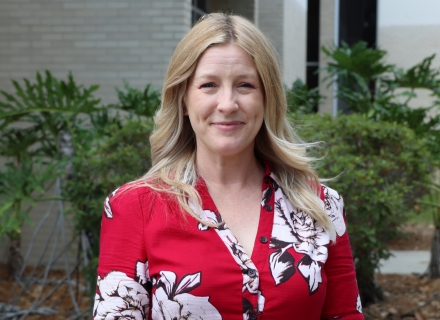
Michelle Arnold
Michelle Arnold, an audiologist and associate professor in the University of South Florida’s Department of Communication Sciences and Disorders, led the research with colleagues from the University of Missouri, Columbia; Georgia State University; the University of California, Irvine; and the University of Texas at San Antonio.
“Adults covered by Medicare and those living in households experiencing poverty are largely left out of gains in hearing aid insurance coverage that we've seen over the past 20 years,” Arnold said. “This is problematic, because we know that hearing aids can help reduce risks for serious health conditions such as cognitive decline, falls, hospitalizations and mental health problems.”
Without insurance coverage, the cost of prescription hearing aids can be a substantial barrier. Average out-of-pocket costs range from $2,000 to $7,000 per set.
Coverage gains vary by age
Coverage gains differed substantially by age, with children and working-age adults seeing increases while older adults experienced a decline.
- The percentage of children younger than 18 with mandated hearing aid coverage increased from 34.1% in 2008 to 52.5% in 2023.
- Among adults ages 18 to 64, the percentage nearly doubled, rising from 10.2% to 19.2%.
- The percentage of adults ages 65 and older with mandated hearing aid coverage declined from 18.5% in 2008 to 16.9% in 2023.
Medicaid was the largest contributor to mandated coverage in both children and working-age adults, underscoring the program’s role in expanding access to hearing care. Traditional Medicare does not cover hearing aids, and benefits offered through Medicare Advantage plans vary by plan, leaving many older adults without guaranteed coverage.
The findings also highlight a potential coverage gap as children transition into adulthood.
“Children may benefit from federal Medicaid protections or state laws requiring private insurers to cover hearing aids, but those protections may not continue as they age into adult coverage,” said Arnold.
Financial barriers persist
The study also found differences in mandated coverage based on household income and housing status.
In 2023, people living in households below the federal poverty level were more likely to have mandated hearing aid coverage than those with higher incomes. Renters were also more likely than homeowners to have mandated coverage across all three age groups. These patterns reflect Medicaid’s role as a major source of hearing aid benefits.
Yet greater access relative to other groups did not mean that lower-income adults were adequately covered. Among adults living in households below the federal poverty level, 63.5% of those ages 18 to 64 and 71.3% of those 65 and older lacked mandated hearing aid coverage.
Policy changes could expand access
The researchers identified several opportunities to improve access to hearing aids, including expanding Medicaid benefits for adults, requiring private insurance plans to cover hearing aids and establishing guaranteed hearing benefits under Medicare.
The study was supported by the National Institute on Deafness and Other Communication Disorders of the National Institutes of Health.