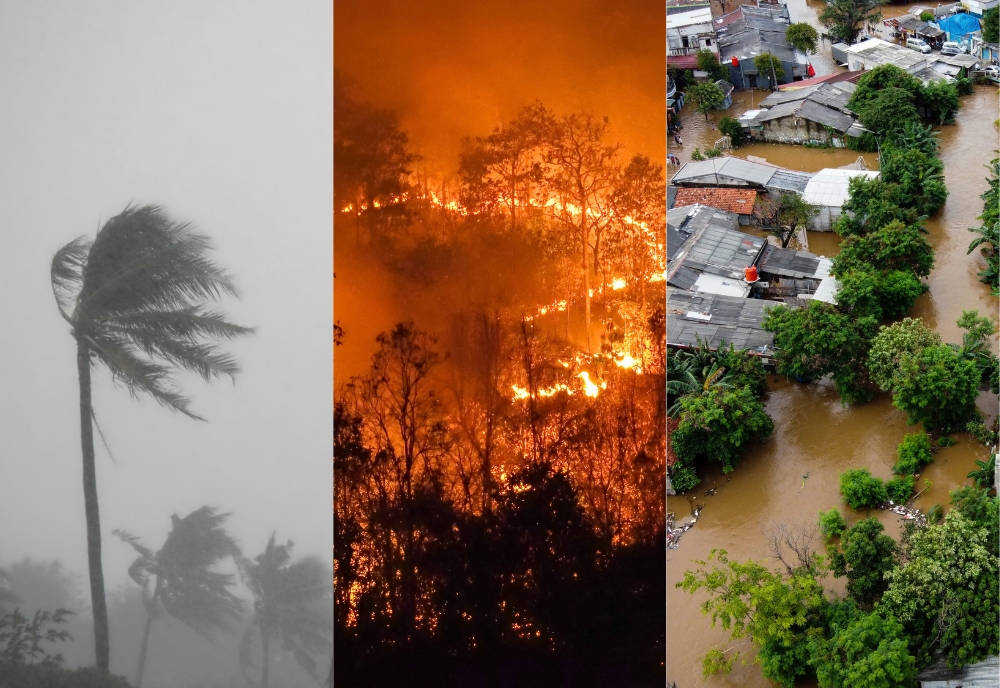
For older adults, no disaster is simple. Repeated hurricanes, floods, wildfires and heat waves can combine with chronic illness, limited mobility, weak social support and strained care systems to create risks greater than any one factor alone. As disasters grow more severe and frequent — and increasingly overlap or strike before communities have fully recovered — preparing for and recovering from them becomes even more challenging.
A new special issue of the Journal of Applied Gerontology, Complex Emergencies and the Effect on Older Populations, examines how these factors interact and shape older adults' vulnerability before, during and after disasters. Its 12 studies span the U.S., Puerto Rico and China, examining several types of hazards and the full range of long-term care settings, from older adults aging at home to residents of assisted living communities and nursing homes.
The studies show how childhood adversity, extreme heat, air pollution and accumulating losses following hurricanes can affect outcomes later in life. Researchers also found that disasters can disrupt essential health services well beyond the hardest-hit areas. Even older adults who have experienced previous emergencies and routinely manage chronic illnesses may lack plans for continuing their care during a disaster, including accessing medications, keeping medical equipment operating or staying connected with health care providers.
At the same time, the research identifies protective factors that can help older adults navigate emergencies, including resilience, self-efficacy, strong caregiving relationships and access to reliable information.
Lindsay Peterson, PhD
"Motivation alone is not enough," said special issue editor Lindsay Peterson, PhD, of the University of South Florida School of Aging Studies. "Older adults need information that is timely, relevant and meets their needs and life circumstances. And they need better support from all the organizations with a role in disaster planning and recovery, from emergency management and health care providers to home care, respite and long-term care facilities."
That support extends beyond addressing physical health and safety. Disasters can also disrupt the routines, relationships and caregiving networks older adults depend on, potentially creating psychological effects that continue long after an immediate emergency has passed.
"Disasters don't only threaten physical health. For older adults, they can cut people off from normal routines, relationships and the carers they rely on. Those losses can have lasting psychological effects," said editor Lisa M. Brown, PhD, ABPP, of the Department of Clinical Psychology at Palo Alto University. "When preparedness includes mental health, caregiver support and trauma-informed care, older adults and the staff and families who care for them will be better able to cope during a crisis and the recovery process."
"Motivation alone is not enough. Older adults need information that is timely, relevant and meets their needs and life circumstances." — Lindsay Peterson, PhD
The findings highlight the need for disaster preparedness to extend across health care systems, long-term care facilities and communities. Authors of the special issue call for integrating disaster planning into routine clinical care, strengthening staffing and preparedness capacity in assisted living communities and nursing homes, tailoring regulations to facilities' differing risks and expanding community-based programs — particularly in rural areas — that reflect the varied circumstances of older adults.
Editor David M. Dosa, MD, MPH, professor of medicine and chief of geriatrics at UMass Chan Medical School, said research can play an important role in helping communities better prepare for future emergencies.
"Disasters are apolitical events," Dosa said. "We must do our very best as a society to understand how best to prepare for and respond to disasters. Articles like the ones in this special issue can help us do just that and must be encouraged."
The special issue comes as communities continue to face increasingly complex emergencies, including hurricanes, wildfires, floods and extreme heat events that can pose heightened risks for older adults. Together, the studies provide researchers, health care providers, emergency planners and families with evidence that can help strengthen preparedness and ensure the needs of older adults remain part of disaster planning and recovery.