Programs
A Semester in England
Program Introduction
Program Leader: Benjamin Scott Young, PhD
For half a year, England is your home. You live in the county of Devon as a student at the University of Exeter — within a short train ride of London, Dartmoor National Park, the seaside cliffs of the Jurassic Coast, and the market towns of the River Exe, with time to make your way out from there across England and Europe. The semester runs from January to June, long enough to arrive a newcomer, make a new country and continent feel like home, and leave knowing a place and its people from the inside. This is the deep immersion a few weeks in another country cannot give: the slow turn from an outsider to being at home among neighbors that only a full season abroad affords.
You live the life of an English university student, taking two or three classes at the University of Exeter, a member of the prestigious Russell Group, where faculty are approachable and invested in your success. These classes transfer to USF and can count towards major requirements, keeping you on your timeline for graduation. Alongside these, you’ll take one or two Honors classes with Dr. Young and a tight-knit cohort of Honors students and travel together on excursions across England. Your independence is complemented by the support of both an on-site Honors faculty member and the friendships built with others sharing your adventure.
Open to every Honors student, this half-year program is built especially for those who are ambitious about investing in their independence, personal growth, and professional formation through extended travel, academic depth, and collaborative engagement. It is a season of formation, a stretch of life in which to reflect on who you are becoming, clarify what you value, and cultivate the discernment foundational to an emerging life. Over six months, you cultivate a fluency vital to shaping experience and relationships, carrying this capacity into graduate school, future research, meaningful vocation, and enduring impact. You return from this journey with a deepened orientation and confidence that comes from having made your own way through a wider world.
Program Details
Program Dates: Jan. 6 - June 18, 2027
- Jan. 6 – March 27, 2027: Exeter modules (classes), plus Honors seminars and local excursions.
- March 27 – April 27, 2027: April Break: No modules or seminars meet. Students are welcome to engage in independent travel in the UK or EU. Student housing is available the entire break.
- April 27 – June 18, 2027: Exeter module exams, plus Honors seminars and extended excursions.
How to Apply
Applications closed Sept. 28, 2026.
Questions? Contact Dr. Benjamin Young.
The Semester in England Experience
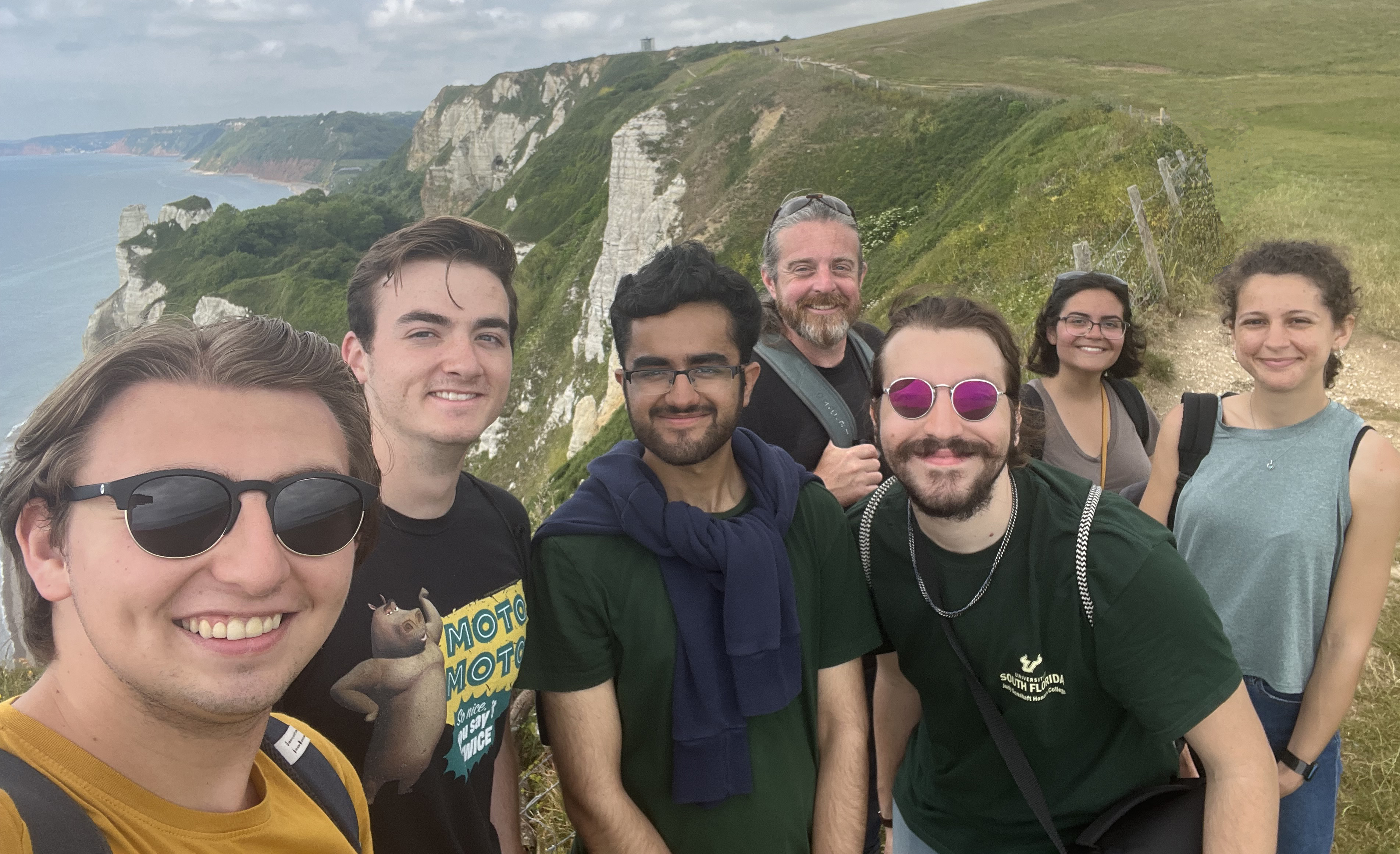
A Semester in England is a personalized and immersive experience that invites students out of the classroom and into the wider world. Through travel, shared inquiry in the field, and collaborative explorations of England, the boundaries that often separate classroom learning from everyday life begin to dissolve. Excursions, shared meals, and ongoing conversation on walks and trains deepen seminar discussions and create space for friendship, trust, and the freedom to explore ideas together and discover unexpected insights.
Living for an extended period within another culture offers forms of learning that cannot be replicated in shorter travel experiences. The University of Exeter and the southwest of England were chosen for this immersive program because of the distinctive combination of academic excellence, cultural richness, and natural beauty. Our partner institution, the University of Exeter, is a member of the prestigious Russell Group—a consortium of leading research universities in the United Kingdom—while maintaining a welcoming academic culture in which faculty and staff are approachable and sincerely invested in student success.
The Exeter Students’ Guild hosts hundreds of societies and clubs, providing opportunities to pursue shared interests and build lasting friendships. The city itself has the atmosphere of a vibrant university town filled with cafés, parks, music and theatre venues, historic landmarks, and athletic events. With the city center just a short walk from campus and the entire city easily navigable on foot, students quickly find themselves participating in the rhythms of everyday British life.
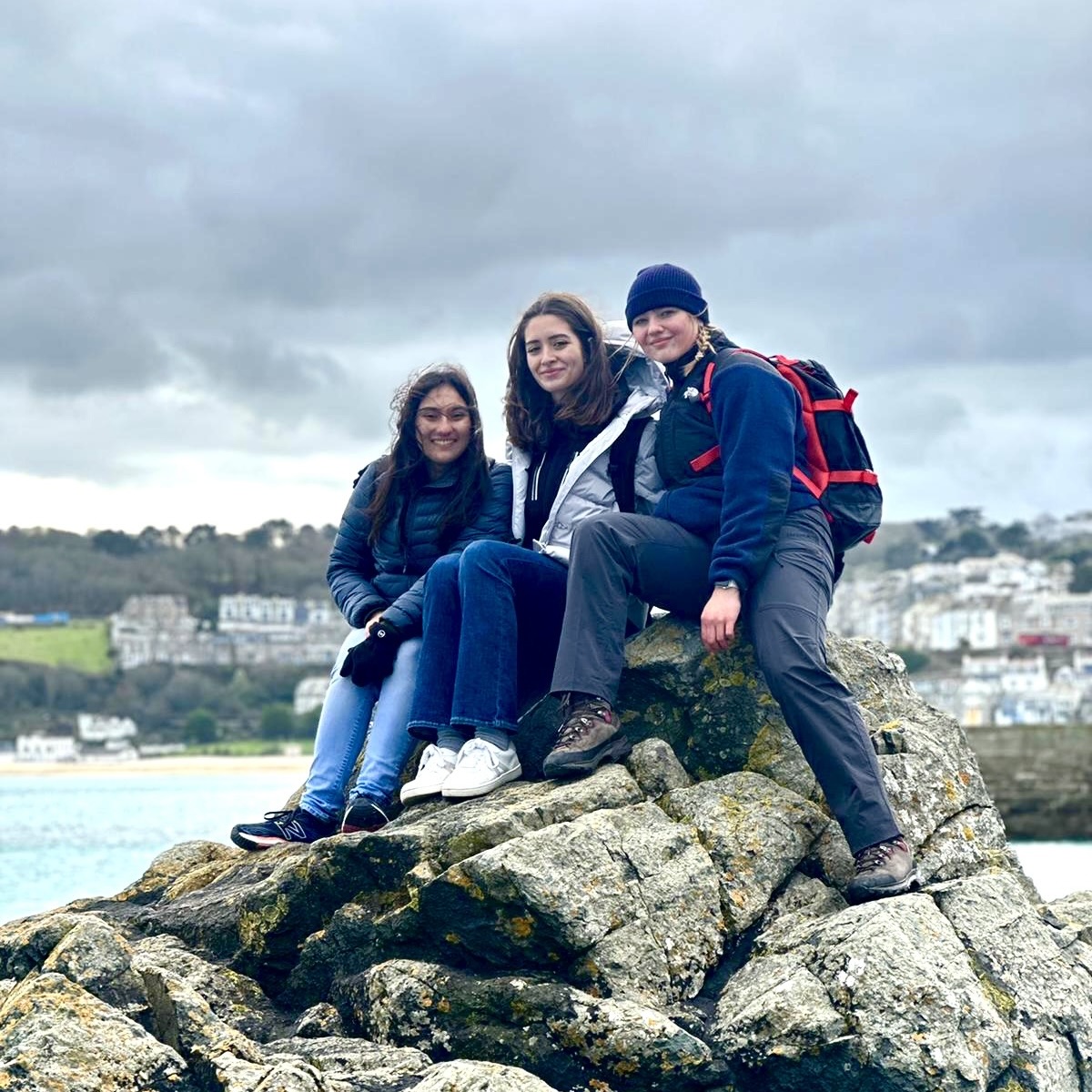
This sense of freedom and exploration is expanded by the United Kingdom’s extensive public transportation network, which connects Exeter to cities, countryside, and coastlines across the country and Europe. Clean, safe, and reliable trains and buses make independent exploration easy and affordable. Unlike shorter study abroad programs, Semester in England participants enjoy time in the evenings, on weekends, and during the program’s extended spring break to travel with friends, creating a balance of independence and community within a close-knit cohort of Honors students. Exeter’s location also makes travel across continental Europe relatively easy and affordable, allowing students to explore the wider region during the month-long April break and on long weekends in May and June.
The southwest of England provides an extraordinary setting for immersive Honors coursework and excursions. From Exeter’s central location, students explore the rich historical culture of Britain as well as the dramatic landscapes of Devon and Cornwall. Dartmoor National Park, miles of coastal paths, and historic villages lie just a short train ride away. Many of the most memorable moments of insight and growth occur outside the traditional classroom. Conversations that begin in seminar often continue while walking across moorlands, exploring coastal towns, or sharing meals together. Scholarly inquiry becomes intertwined with the rhythms of exploration and friendship, allowing creativity, personal aspirations, rigorous debate, and collaborative discovery to become part of everyday life.
The program is built on the belief that learning and personal growth flourish when students connect their intellectual curiosities with a vibrant and culturally rich environment in dynamic and self-directed ways. Honors coursework remains intentionally flexible, allowing each student to link their experiences abroad with their developing academic interests, personal passions, and professional goals. Students are invited to arrive as their authentic, multifaceted, and still-unfolding selves — to form new friendships, make new intellectual connections, and pursue the questions that matter most to them.
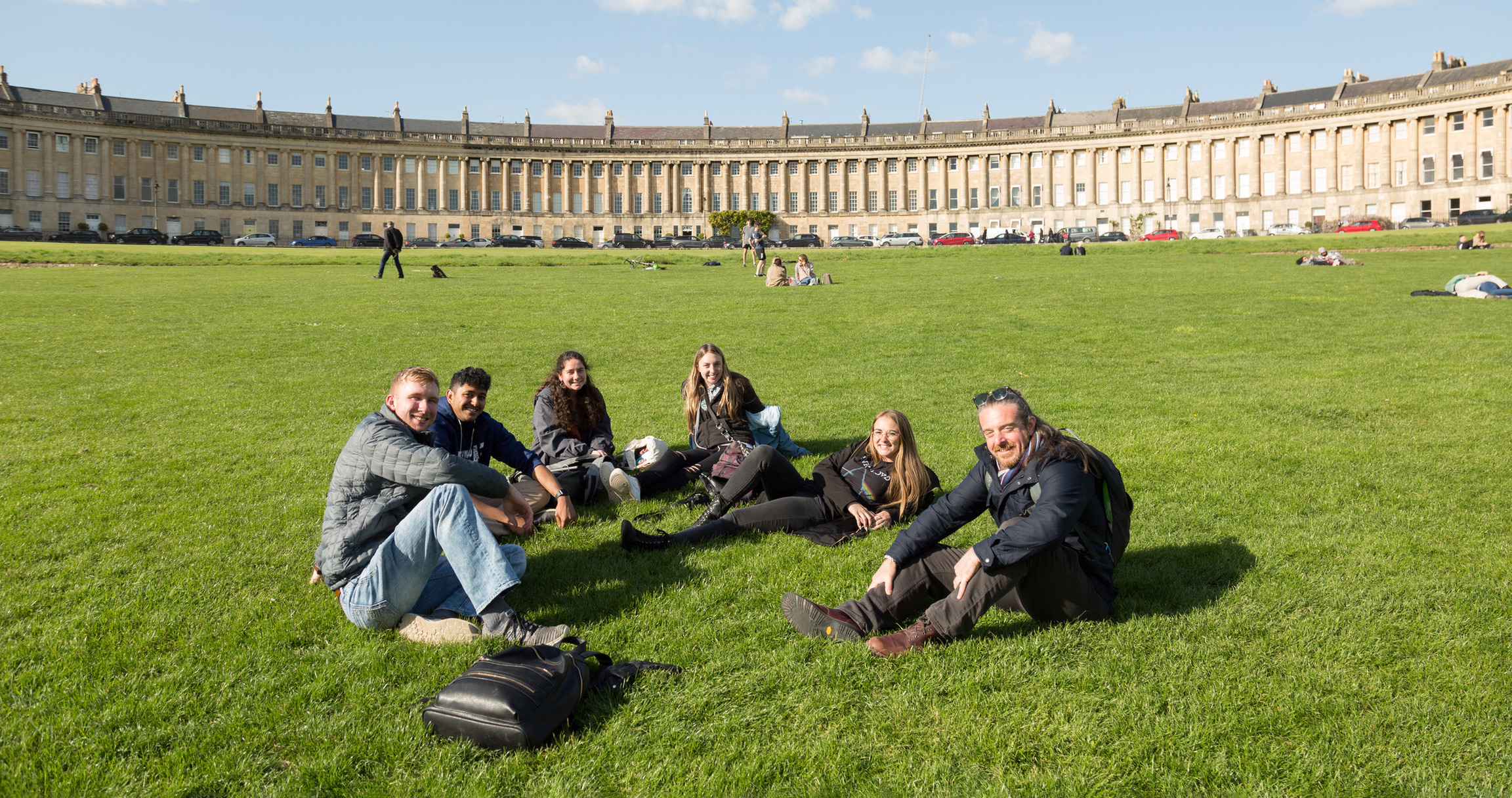
With its distinctive combination of academic opportunity, cultural immersion, and natural beauty, the southwest of England provides an ideal setting for motivated and adventurous Honors students to pursue the kind of interdisciplinary and globally engaged undergraduate research that defines the Judy Genshaft Honors College and prepares students to confidently navigate the globally connected future to come. The extended time abroad, the independence of living within a new culture, and the companionship of a close-knit research community make the Semester in England one of the most rewarding, impactful, and memorable experiences an undergraduate education can offer.
Program Accessibility
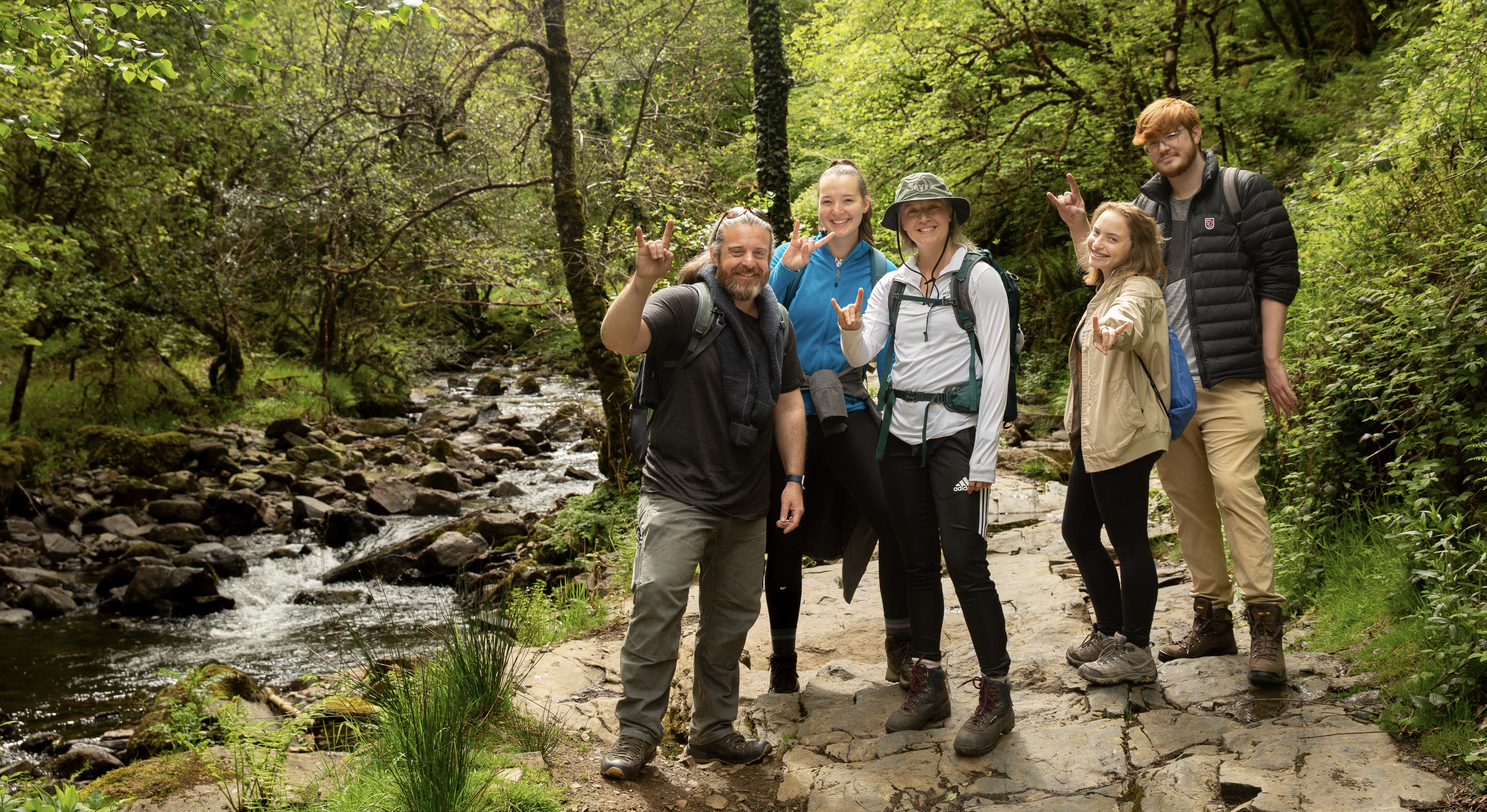
This program involves significant walking in urban and rural terrains. More broadly, Exeter has many unevenly paved sidewalks and hills. Some program excursions involve hikes, for example, in Dartmoor National Park and along the South West Coastal Path. Walks through the cities of Bath and St. Ives also involve all-day walking and occasionally steep cobblestone roads. If you have questions or concerns about accessibility, please contact program director Benjamin Scott Young.
The University of Exeter & Living in Exeter, Devon
The University of Exeter is one of the leading universities in the United Kingdom and has maintained a close academic partnership with USF for more than twenty-five years, reflecting a shared commitment to international education and scholarly collaboration. As part of a university culture shaped by centuries of intellectual inquiry and public debate, students encounter traditions of learning that continue to lead contemporary academic life globally.
Students in the program enroll as exchange students at the University of Exeter and experience daily life as UK “uni” students while living in campus housing alongside fellow USF Honors participants. Studying and living within the Exeter community allows students to engage fully with the rhythms of British university life while positioning them within a wider intellectual and cultural landscape that extends across Britain and Europe.
During the semester, students take two or three classes — known as “modules” in the UK — that can count toward major requirements and other USF graduation credits.
To learn more about the university, visit the University of Exeter website.
For a quick introduction, check out these videos:
- University of Exeter, 2030
- A Student's Guide to Life at the University of Exeter
- International Alumni reflect on their experience at the University of Exeter
- International Student Experience at the University of Exeter
- This is the University of Exeter
Student Housing
Honors students on the program will live in student housing on the University of Exeter Streatham campus. Each student will have their own private room and adjoining private bathroom. Private rooms are part of a shared suite, which includes a shared kitchen for preparing meals.
Student Life
You will discover a rich array of opportunities within the University of Exeter, the city of Exeter, and the wider southwest of the United Kingdom. The Exeter Students’ Guild is a key feature of student life at the University of Exeter. From academics to sports to outdoor adventures, these student Clubs and Societies give students a fast-track connection to a diverse array of experiences and friendships. To find out more about the student experience, follow this link to life at the University of Exeter.
Honors Courses
Through immersive travel, interdisciplinary study, and collaborative inquiry, the Honors courses explore how personal experience, culture, and environment intersect to shape personal and professional life in a rapidly evolving world. In addition to enrolling in classes at the University of Exeter, students enroll in one or two Honors seminars. The core course, The Art of Experience, is taken by every student in the program. The second, Embodied Health, is a recommended seminar that builds on the first, shaped with particular care for students drawn to the health professions and the work of care. It is recommended that you take both for the optimal experience. Each Honors seminar offered on the Semester in England program may satisfy either of the following Honors graduation requirements: IDH 4200 Geographical Perspectives or IDH 4950 Honors Capstone.
The Art of Experience: Cultivating Discernment through Wonder, Wander, and Belonging (IDH 4200 or IDH 4950)
Living overseas for half a year — traveling, exploring, and finding your way through an unfamiliar country — is itself the curriculum of this course. The program opens that world to you; The Art of Experience invites you to meet it well and gather the most from your journey. It gives you a practice for attending to your own experience as it unfolds, so that a half-year abroad becomes a season of genuine formation. What it cultivates is discernment: the judgment to read what a situation offers and to act well within it. This is what we mean when we call someone “experienced.” It is the practiced perception, and the skillful habits that form around it, at the heart of every expertise. It is the capacity that graduate study, meaningful work, and a flourishing life all turn on.
A life abroad already brims with three activities, and the course takes them up deliberately. Wonder is the open curiosity a new world draws out of you, the moment a familiar thing arrives anew as if for the first time. Wander is the exploring it invites, a readiness for meanings and paths you did not expect. Belonging is the slow art of making a place home, until a world that first met you as a newcomer becomes one you move through with the ease of fluency. Drawing on the philosophy, art, and science of human experience — phenomenology and virtue ethics; literature, architecture, visual art, and performance; cognitive science, psychology, and geography — you learn to notice more in your world, to explore with more purpose, and to build belonging with others and the environment with more skill and care.
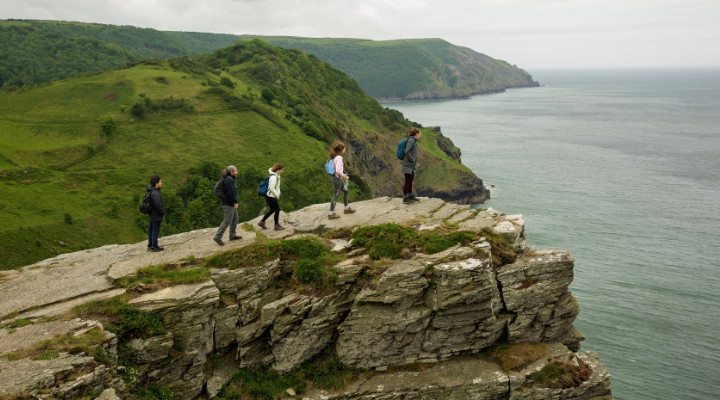
For six months, England is our studio — from London to Dartmoor National Park and the Jurassic Coast, through Bath, Bristol, St. Ives, and the villages of Devon. The course will be on an excursion each week, using England as our classroom. The country itself opens the conversation, drawing out your own insights and questions. In a crowded market, the scent of an unfamiliar spice calls up a memory and shapes what you taste before you taste it, and you catch your own perception composing the world. In an Exeter shop, you read the tone of a conversation as it turns, sensing reserve or warmth and meeting it. On the coast path near the Valley of Rocks, where Wordsworth and Coleridge once walked and English Romantic poetry was born, the trail narrows at an overlook and the body recalibrates, steadying its steps and its breath, and you savor the confidence and gratitude of being well underway on your life's journey. At a café table after a day on the moor, the day's many stories are shared and read against one landscape, and a place and a community you entered as a newcomer begins to feel like your own.
Leading and inviting others into these experiences is the heart of the course. Working in small teams, you plan and guide excursions of your own — choosing the destination, mapping the journey, taking your cohort through it — with the moors, the coast, and the historic cities of Britain as your field of exploration. Wonder, Wander, and Belonging become an integrated practice: a canceled train turns an afternoon toward something better, a detour becomes the day's discovery, a shared walk makes meaning none of you brought alone. An afternoon like that is its own reward in the living of it, and it is also where the skill of being present and open to what each moment of experience has to offer is cultivated and carried forward as discernment.
Our method of cultivating discernment through Wonder, Wander, and Belonging deploys the Experience Prism: a way of reading any living moment along three facets at once — the projects and stories that give it direction, the practices and rhythms that carry it, and the felt, embodied texture through which a situation and place gathers value. Once you have it, it becomes a means of recognition that quickly becomes second nature, deepening your fluency for skillful engagement with the world in real time. Reflecting together after each experience — on the walk, over a meal, on the train home — settles what a day discloses into discernment: the judgment to read a situation and act well within it.
Attended to this way, a semester abroad becomes a microcosm of a life and a career. You arrive a newcomer, and by summer you move through a once-foreign country with an ease and fluency you can feel — the confidence and independence of someone who has learned to read an unfamiliar situation and act well within it. That ease is discernment felt from the inside, and discernment is the fitting of perception to action that all expertise is made of. This course works one step back from any single expertise: it cultivates discernment itself, and the practiced sense of how it grows. That is the metaskill you carry into whatever you take up next — the discernment that reads a room, weighs what matters, and acts when no rule quite fits. It keeps working, and deepening, long after the semester ends — in every place you go and every choice still to come.
Embodied Health: Cultivating Trust through Food, Field, and Friendship (IDH 4200 or IDH 4950)
Embodied Health builds on The Art of Experience, which every student in the program takes, and turns the attention you develop there toward health — your own, and that of the people you may one day care for. To be healthy is to be at home in the world, underway in a body and among others that meet you, so that life moves and you move with it. Illness is an exile from that ease: the body grows uncertain, the familiar turns effortful, and a person is thrown, exposed, into depending on others. Healing is a becoming-at-home again that no one accomplishes alone, and it asks something hard first — that a person let another in, disclosing what they fear and entrusting what hurts to another’s care. That letting-in is trust: the openness in which we lay ourselves bare to one another and consent to hold, and be held in, each other’s keeping. Because illness is a condition of vulnerability, trust is the relational ground on which care can reach at all — and cultivating it is the work of this course.
Health, understood this way, reaches as far as being-at-home reaches. The ease of a body in its own skin, the vitality of a culture whose ways of life hold its people, and the soundness of a landscape that can sustain both are three scales of a single fitness of life to world. To study health in Devon is to meet it in each of these registers at once — personal, cultural, and environmental — where they gather in something as ordinary as a shared meal. To eat well, in season, from people and a land you have come to know is at once a personal, a communal, and an ecological form of health.
The course follows three sites where health is lived and trust is built: food, field, and friendship. Each is an ancient craft of trust. Food is the oldest form of care, the table where a body is tended and where, in the giving and taking of a meal, strangers become companions; to be fed by another is the first trust any of us knew. To follow it to its source, you go out to meet the people who grow and make it: the vines at the Pebblebed vineyard, a few meals at Darts Farm’s long communal table, time with the growers and fishers whose work, done in harmony with the land, makes a sense of connection you can taste. Field is the body finding itself at home in the world again — the moor, the coast path, the worked land — where walking side by side builds an ease of talk and presence, and a body estranged by a strange country, or by illness, is slowly re-homed. Friendship is trust matured: the company that makes a person safe, and the slow turn, across a season, from newcomer to neighbor. Practiced together, the three are how a person learns to build the conditions in which another can be met.
Cultivating trust is essential in care because it works with the emotions that gather around health and illness. In the Global Classroom — an international seminar that joins our students with faculty and peers at the University of Exeter Center for Cultures and Environments of Health, Duke, the University of North Carolina, and beyond — we take up the affective and moral life of the well or sick body: how stigma, estrangement, and self-conscious feeling shape whether a person can be met at all. Shame is the sharpest of these, hiding what most needs care and working as quietly in a culture as in a body; it is one instance of a larger truth, that health is lived in feeling and relationship long before it is managed as a problem. We bring the question to the ground as well, in conversation with a leading Devon psychologist who practices within the National Health Service (NHS), on what it takes to form a therapeutic relationship and to earn the trust on which mental health depends. These are the conditions that food, field, and friendship work upon — each builds, in its own register, the trust by which friendship and care depend.
As in The Art of Experience, you work in small teams to design and lead experiences and to reflect on them together — on the walk, over the meal you cooked, on the train home. Here what you make turns on care: a table set for strangers, a walk that restores, a welcome extended to someone on the edge of the group. The Experience Prism you already practice — reading a moment for its story, its rhythms, and its felt texture — opens, in this course, a bridge to another’s experience: where a life has become impeded, where the world has stopped meeting the body, and where an opening for trust is waiting to be met.
The trust that turns an unfamiliar country into a home is the same trust invites health and healing: when a frightened person needs to be honest with the one in front of them, and to find the way back, by degrees, to their own life. Learning to build trust early is what marks the person and practitioner others seek out and return to. This course is open to Honors students of any major — to anyone drawn to the table, the land, and the friendships through which a life is made at home — and it is shaped with particular care for those preparing for the health professions, where trust is the daily ground for the practice.
Program Excursions Exploring England
Throughout the program, students join Dr. Benjamin Young on excursions to explore England. These trips are woven into the Honors coursework and often involve a meal together. The list below provides a sample of possible locations.
- London (Westminster, Shakespeare’s Globe Theater, British Museum, and other locations)
- Stonehenge
- Salisbury Cathedral & Magna Carta
- City of Bath
- City of Bristol
- City of Cardiff, Wales
- Steam train to Dartmouth and riverboat to Totnes
- Dartmoor National Park
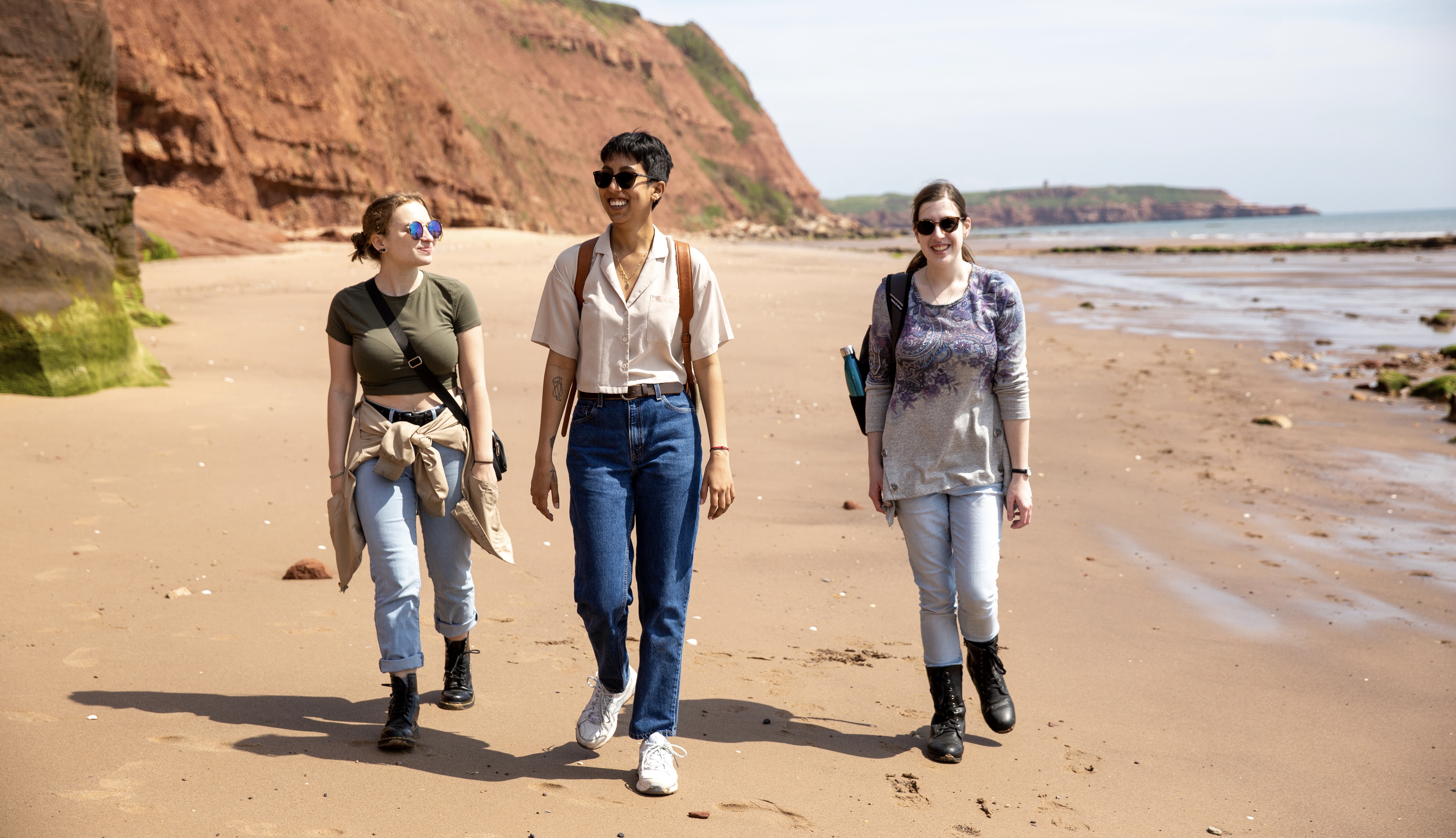
- Exmouth & Jurassic Coast Walk
- Home-cooked meals at Dr. Young’s home
- Powderham Castle
- Walk from Branscombe to Beer
- St. Ives
- Literary Walk at Lynton and Exmoor
- Exeter Cathedral & Library and Archive
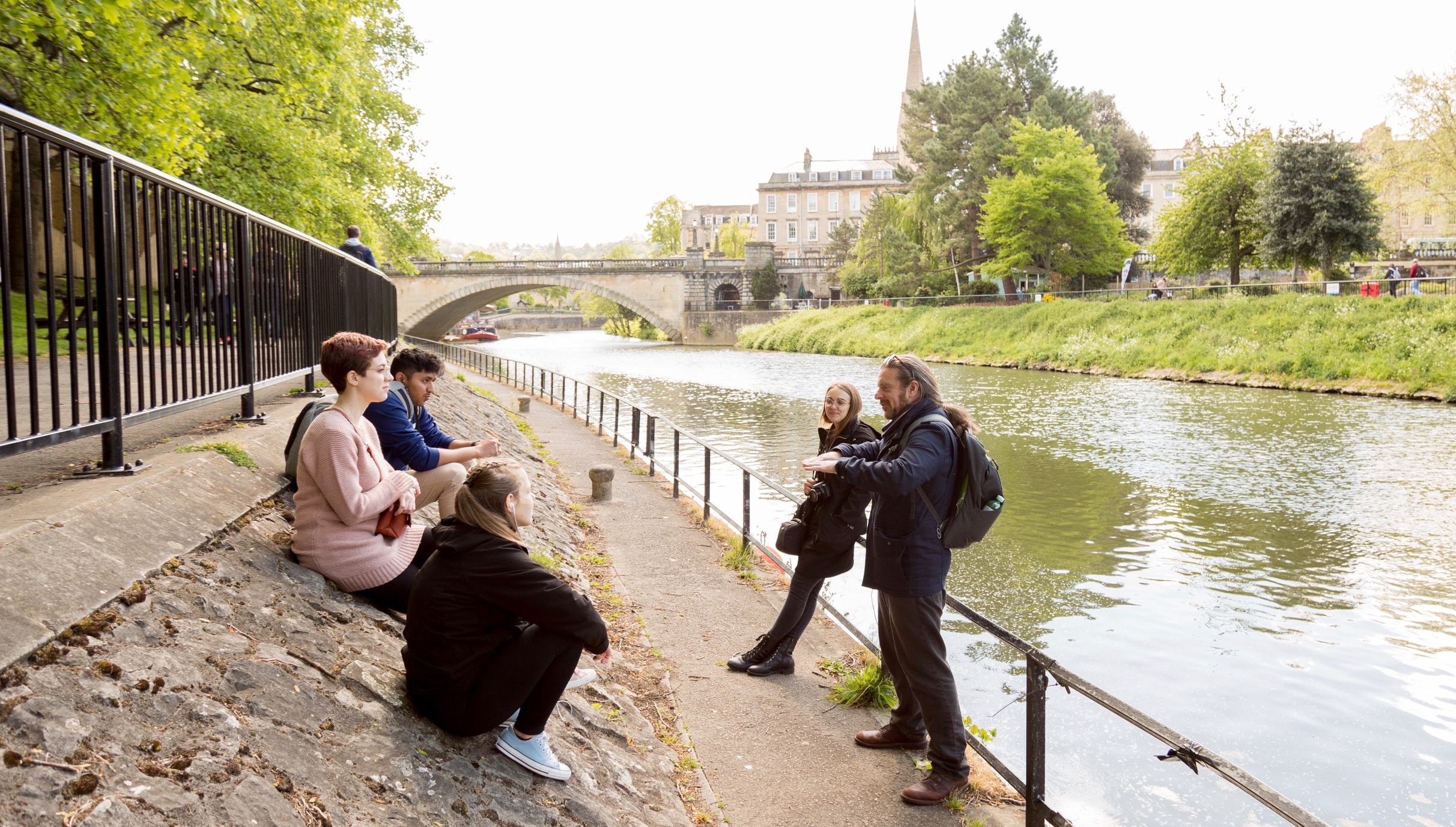
- Walk Along the River Exe
- Royal Albert Memorial Museum
- Darts Farm
- The Eden Project
Program Cost & Honors Scholarships
Genshaft-Greenbaum Travel Scholarship
- $7,500 (All students accepted to the Honors Semester in England program are awarded this scholarship)
- This award is not subject to limitations based on prior participation in a study abroad program
- Award amount may shift based upon a student's total financial aid award package
Program Cost for Spring 2027
- Spring 2027 program cost: $14,984.00 + USF tuition and fees for your Honors courses
- The Genshaft-Greebaum Travel Scholarship is not included in the program cost
- In-State Tuition: All students on the program, regardless of residency status, will pay in-state tuition price for both university of University of Exeter modules and USF Honors courses
Included in Program Cost
- Coursework at the University of Exeter (up to 45 Exeter hours – about 9 USF credit hours)
- Housing for the program's duration
- USF on-site faculty members
- 24/7 emergency support
- Program related site-visits
Not Included in Program Cost
- USF tuition for Honors courses
- Passport / visa fees
- Personal expenses
- Meals
- International airfare
- Transportation not included as part of the itinerary
- 16-25 Railcard
- Student activity, lab, or ID fees assessed by the University of Exeter
- Supplies
Other Sources of Funding
Please note that scholarship deadlines may vary and students may need to commit to a program before they know if they have received a scholarship.
- Gilman Scholarship: Students eligible for a Pell Grant are also encouraged to apply for the Gilman Scholarship, which can award up to $5,000 in funding towards a credit-bearing study abroad program.
- University of Minnesota's Study Abroad Scholarship Search database
- Careers & Colleges Scholarship Search
- The Center for Global Education
- College Board Scholarship Search
- BeGlobalii Community
- GoAbroad.com
- Institute of International Education Study Abroad Funding
- International Education Financial Aid
- International Scholarships
- International Student & Study Abroad Scholarship Search
Tales from Exeter
What Students Have to Say
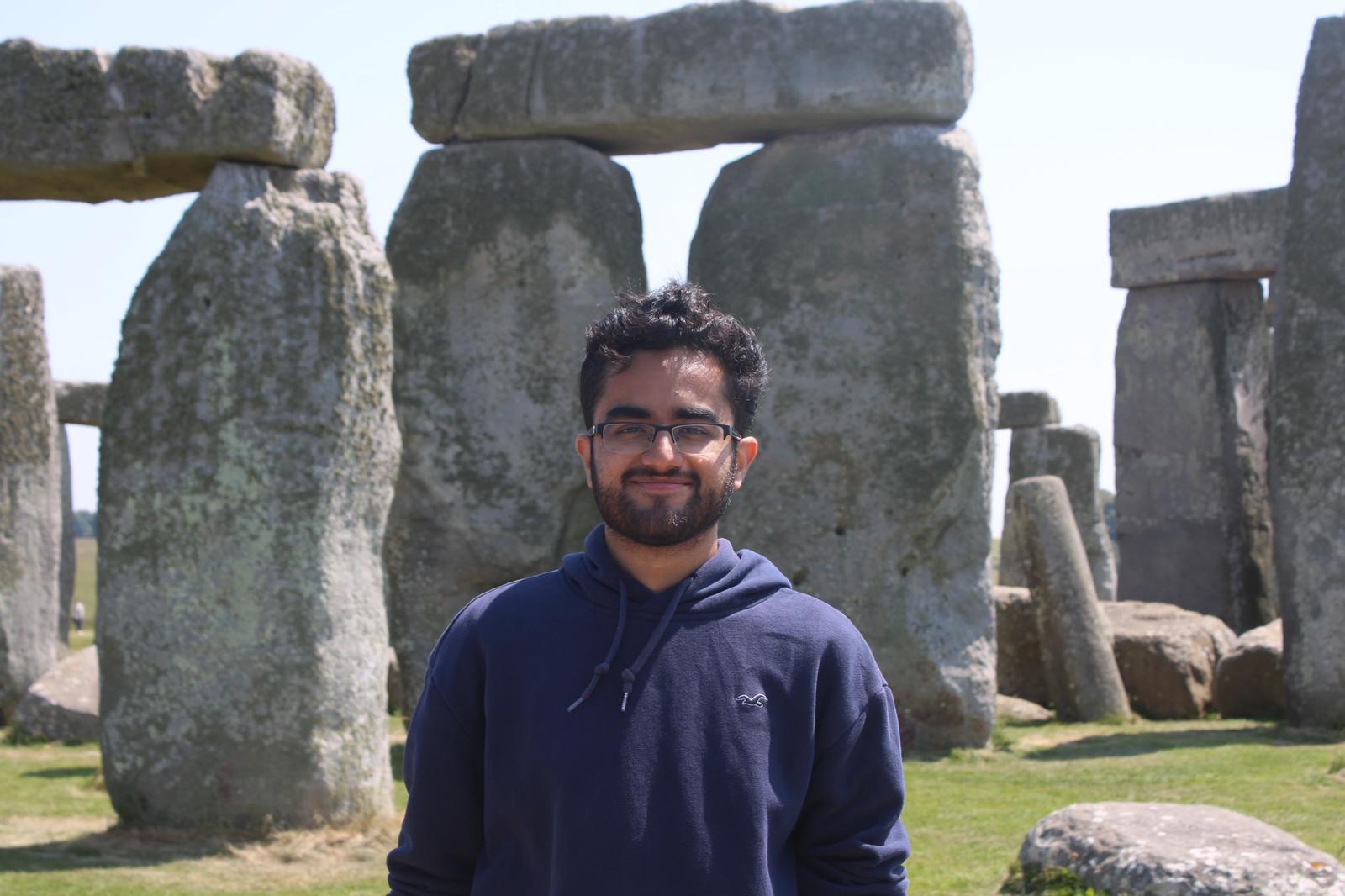
“The experience was phenomenal! The Semester in England program led me to adopt Philosophy as a second major alongside Biomedical Sciences, but it fundamentally changed the way I see the world! Being able to immerse myself in the distinct way of life for so long let me fully appreciate both the intimate friendships I developed and the self-driven approach to education offered by the program and the University of Exeter. The biggest lesson for me is actually being able to better appreciate the value of diversity in thought and the importance of travel to achieve this. I really loved the opportunity of getting to see a bit of all that Britain has to offer. From the quiet natural beauty of Dartmoor to the refreshing coastal St. Ives, historic Bath and the inspiring city of Oxford, the experience was unforgettable!” - Tehami Ammad
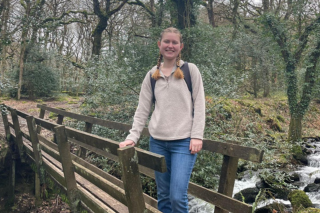
“I have loved my time thus far on the Semester in England program! This experience has given me invaluable insight into culture and academics in the beautiful United Kingdom. Throughout my time on the program, I have traveled extensively throughout the southwest of Exeter and explored craggy cliffs, ancient caverns, and picturesque seaside landscapes. I would recommend the program to anyone interested in a rewarding, immersive education abroad. Cheers!" - Brooke Peterson
MORE ABOUT THE TRIP
Want to learn more? Listen as Honors students Brooke Petersen and Liam Mahony share details about the Honors Semester in England study abroad program.