El Niño and its global impact on weather and climate
Tuesday, June 2, 2026
El Niño events can have significant impacts across the globe including on droughts, rainfall, and the development of tropical storms.

Graduate students come together in the wake of the Marine Science Laboratory fire

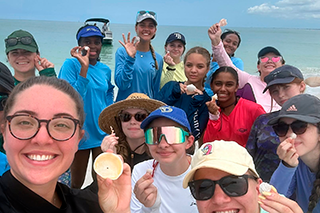
For 35 years, this oceanography camp has trained future scientists

How the community has rallied around marine scientists in their time of need

Inside the first days of USF’s response to the Marine Science Lab fire
![A study by College of Marine Science researchers used NASA satellite data to observe oil pollution in the Persian Gulf, pictured here [Photo courtesy of NASA]](/marine-science/news/images/nasa-satellite-data-to-observe-oil-pollution-in-the-persian-1000x371-gulf.png)
Oil spills spiked in the Persian Gulf during the Iran war, according to new study
As we continue to recover from the fire at the Marine Science Lab, please refer to this page for updates and answers to frequently asked questions.
Tuesday, June 2, 2026
El Niño events can have significant impacts across the globe including on droughts, rainfall, and the development of tropical storms.
Tuesday, April 28, 2026
Christa Baranowski is the newest graduate of the College of Marine Science.
Wednesday, August 5, 2026
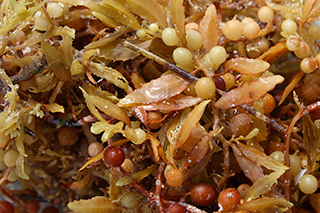
Some 27 million metric tons of self-sustaining sargassum have been recorded in the Atlantic, Caribbean and Gulf of Mexico in July, according to a report released Friday by the University of South Florida’s Optical Oceanography Lab.
Friday, July 31, 2026
Swaths of seaweed are blanketing the beaches and coastlines of the Caribbean and Gulf of Mexico, suffocating shorelines and snuffing out marine life while spooking visitors in areas that depend heavily on tourism.